The Rescue Tyres
blog.
Straight-talking tyre safety, maintenance and money-saving advice for drivers across the UK. Stuck now? Book a mobile fitter →

What the three-peak snowflake symbol means
M+S is a manufacturer claim. The snowflake symbol is a passed test. That difference matters a lot if you drive in Europe in winter.

What to keep in the car for a tyre emergency
A jack you've never used and a missing locking nut key is the standard setup. Here's what actually helps.
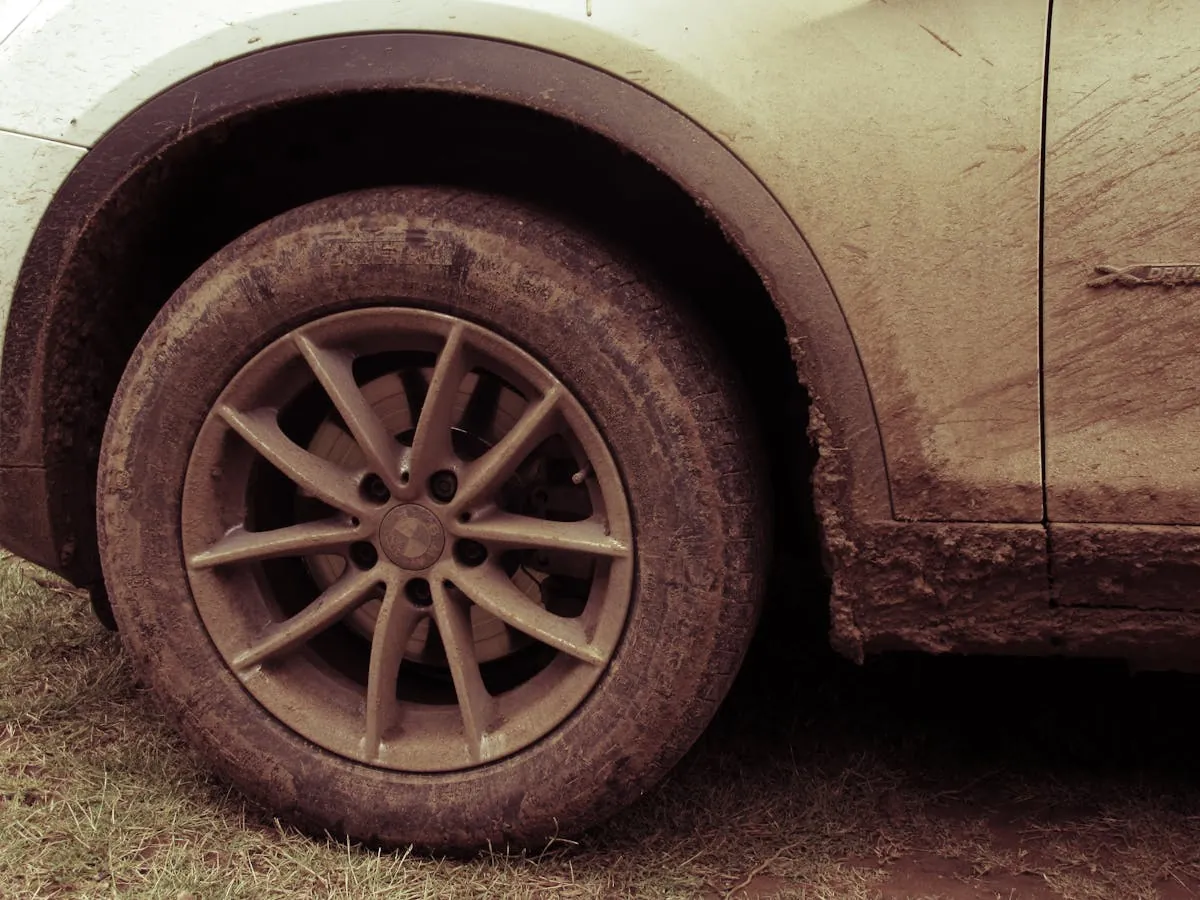
Buckled alloy wheel: the signs and the fix
Vibration at speed, a tyre that keeps losing air, no puncture found. That combination usually points at a buckled rim rather than a balance problem.

Acoustic tyres: does the foam work?
That strip of foam inside the tyre is targeting one specific noise, and it works. It also complicates repairs and puts the price up.
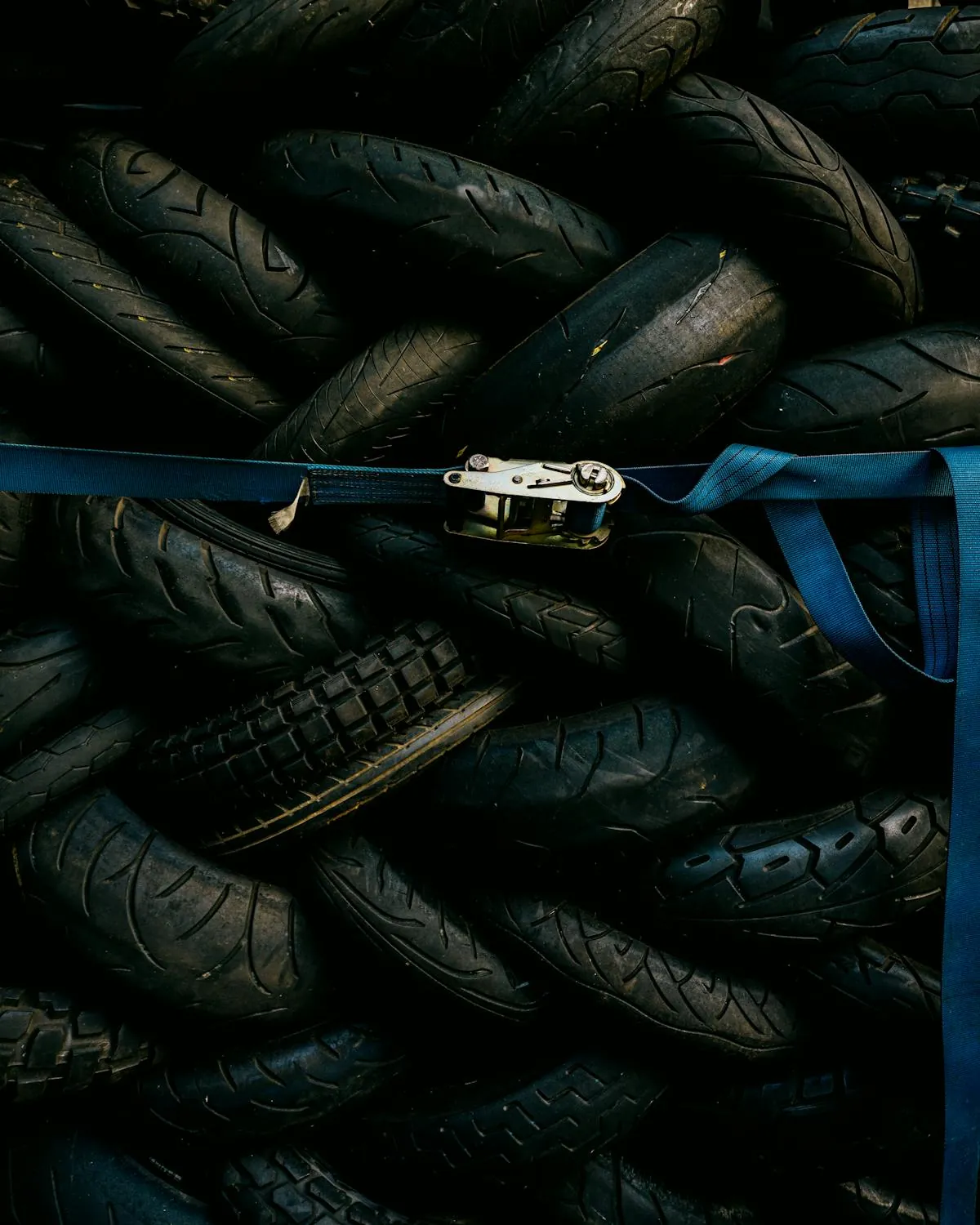
Cracked and perished tyres: when to worry
Fine cracks between the tread blocks and round the sidewall mean the rubber is ageing. Here's where the line is between cosmetic and unsafe.

Performance car tyres explained
Performance tyres trade longevity for grip. Here's what UHP means, why speed ratings and treadwear matter, and how to choose the right tyre for a fast car.

Night driving safety and your tyres
At night you spot hazards later, so grip matters more than ever. Here's how to drive safely after dark and why healthy tyres are your safety net.

All-terrain vs road tyres
All-terrain tyres look tough but cost you on tarmac. Here's an honest comparison of grip, noise, wear and economy to help you choose the right tyre.

Long motorway journey: tyre and safety checklist
Sustained motorway speed is hard on tyres. Here's the pre-journey tyre and safety checklist that prevents most long-distance breakdowns before you set off.

Motorhome tyre safety and replacement
Motorhome tyres usually fail on age, not mileage. Here's how to check the date, set the right pressures for the weight, and why CP-marked tyres matter.

Driving in fog: visibility and tyres
Fog hides hazards and goes hand in hand with damp, slippery roads. Here's how to drive safely in fog, use your lights right, and why your tyres still matter.

Van tyres explained
Van tyres carry heavy loads and follow stricter rules than car tyres. Here's what the C and reinforced markings mean, the law for vans, and how to choose right.

How to drive safely in snow and ice
Snow and ice multiply your stopping distance. Here's how to drive safely, the gentle inputs that keep you in control, and how the right tyres help most.

Best tyres for SUVs and 4x4s
SUVs and 4x4s are heavy and need the right tyre. Here's how to choose between road, all-season and all-terrain tyres, and the ratings that matter for safety.

Spare wheel maintenance and checks
The spare is the most forgotten tyre on the car, and often flat when you need it. Here's how to check and look after your spare, plus space-saver rules.

EV tyres explained: why electric cars are different
Electric cars wear tyres faster and often need EV-specific rubber. Here's what to know before you buy.
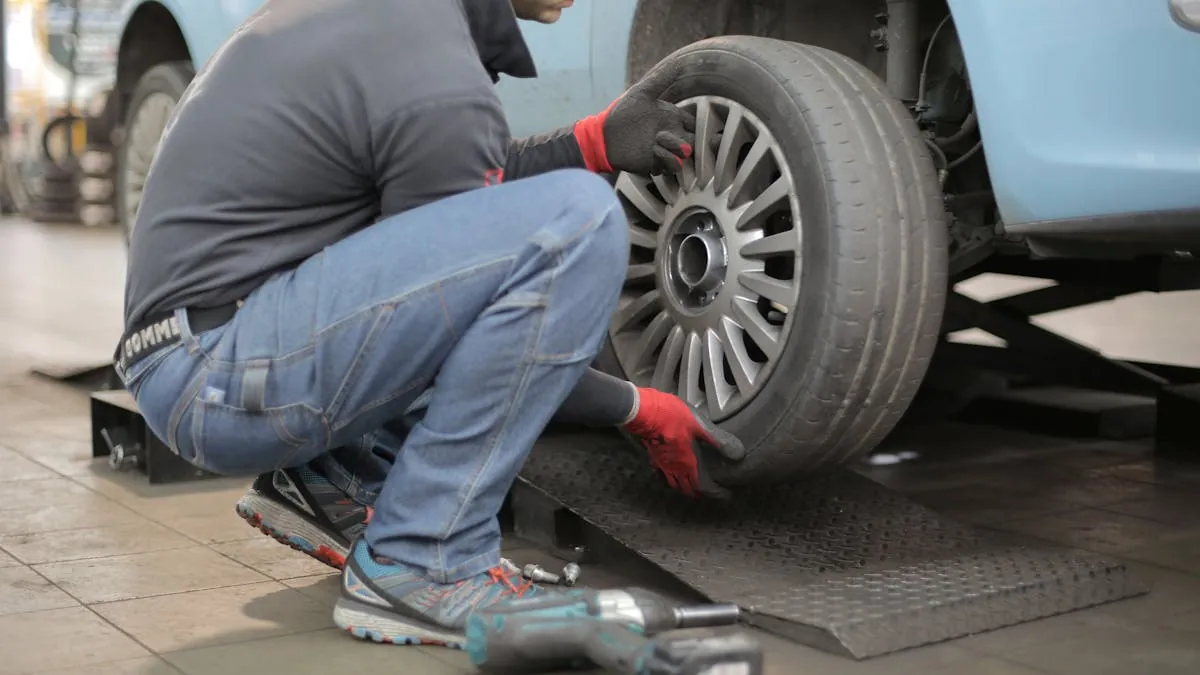
What a tyre fitter checks during a fitting
A good tyre fitting is more than swapping rubber. Here's what a proper fitter checks, from the wheel and valve to balancing and torque, and why it matters.
Mobile vs garage tyre fitting: which is better value?
Is mobile tyre fitting more expensive than a garage? Here's an honest comparison of cost, time and convenience.

Seasonal tyre storage guide
Storing summer or winter tyres wrong can ruin them. Here's how to store seasonal tyres so they don't perish, the right position, and labelling tips.
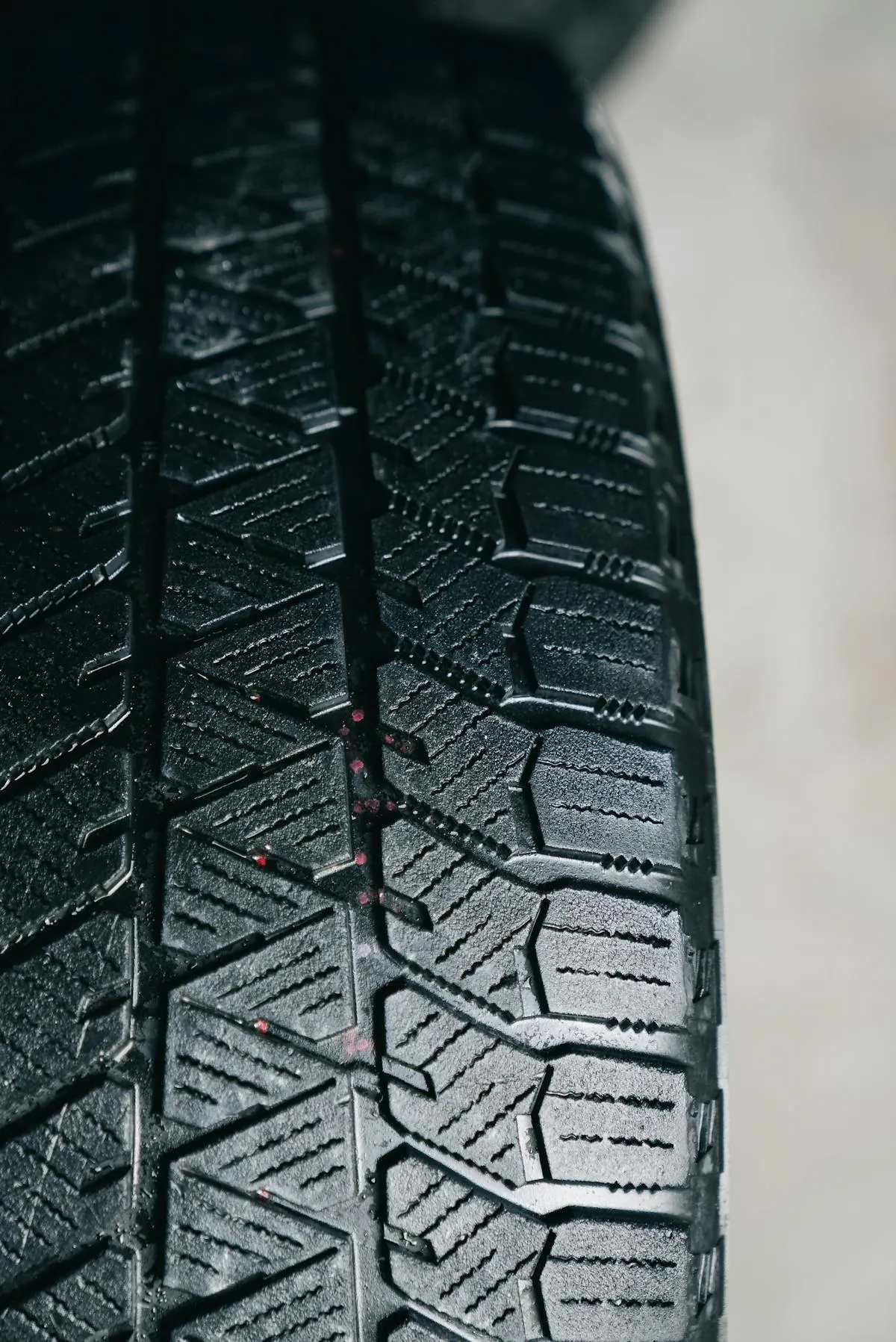
How to make your tyres last longer
Tyres are a big running cost. These habits stretch their life and save you money, without compromising safety.
Puncture prevention: tips that actually work
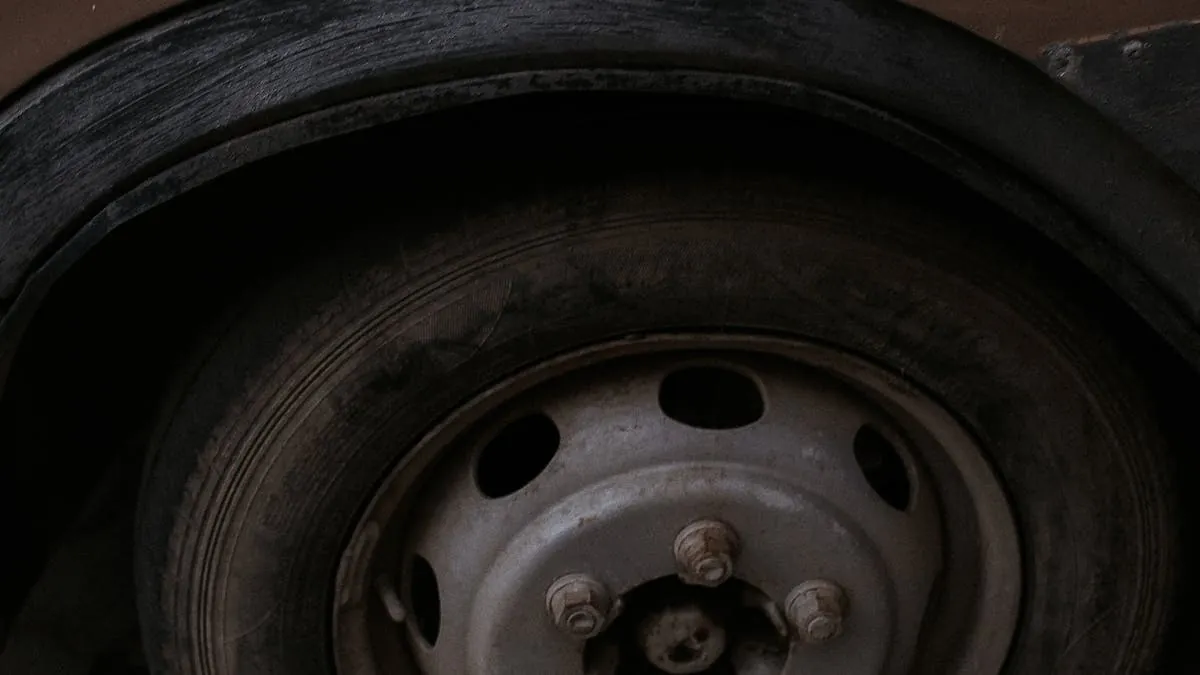
You can't avoid every puncture, but you can cut the odds. Here are the practical habits that prevent most punctures, and the warning signs to catch early.
How much do new tyres cost in the UK?
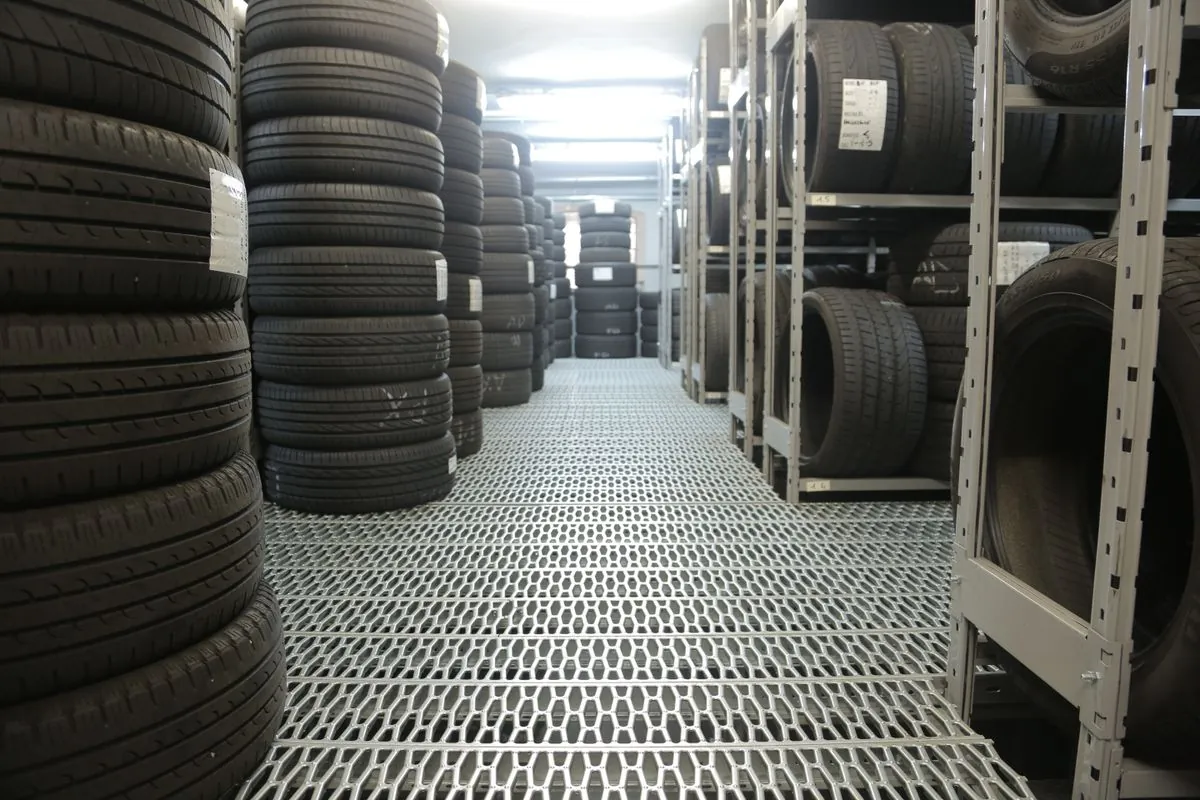
What drives the price of a new tyre, from size and brand to fitting, and how to get the best value.
How tyres are recycled in the UK
Old tyres aren't sent to landfill in the UK. Here's what happens to them, the products they become, and why a fitter takes your old tyres away.

Fleet tyre management: cutting cost and downtime
For vans and fleets, tyres mean downtime. Here's how mobile fitting keeps vehicles earning.

Wheel refurbishment vs replacement
Kerbed or corroded alloys can often be refurbished rather than replaced. Here's when refurbishment makes sense and when a wheel must be replaced for safety.

Pothole damaged your tyre? How to claim
Potholes wreck tyres and wheels. Here's how to claim for the damage and what evidence you need.

Tyre valve types explained
Not all tyre valves are the same. Here's the difference between rubber, metal and TPMS sensor valves, the Schrader core, and which your car needs.

Birmingham Clean Air Zone and your tyres
Don't drive a damaged tyre into Birmingham's Clean Air Zone. Here's the mobile alternative for Brummie drivers.
TPMS sensor replacement: cost and process
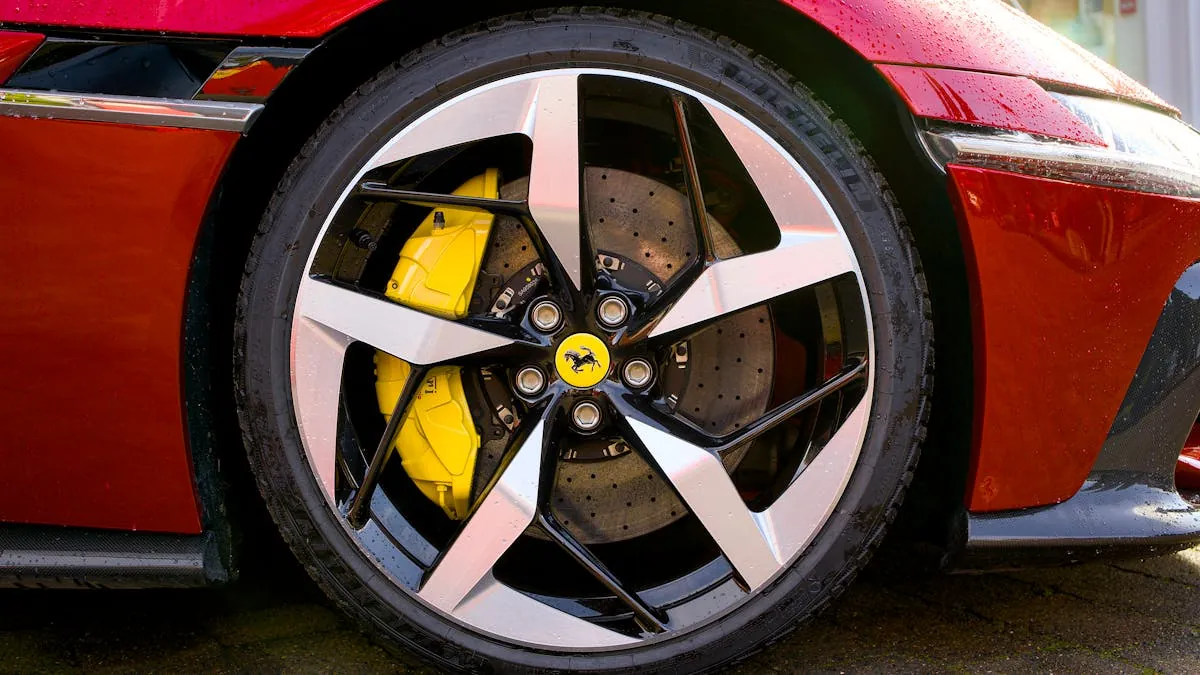
A dead TPMS sensor brings on the warning light and can fail the MOT. Here's how sensor replacement works, what affects the cost, and when you need it.

ULEZ and your tyres: advice for London drivers
Driving on a damaged tyre through the ULEZ or Congestion Charge zone is costly and risky. Here's the smarter option.

Pay-monthly and subscription tyres explained
Pay-monthly tyres spread the cost of replacement. Here's how tyre finance and subscriptions work, the pros and cons, and how to avoid paying more than you need.

What is mobile tyre fitting, and how does it work?
Mobile tyre fitting brings the garage to you. Here's how it works, what it costs and why drivers are switching.

How to choose a tyre fitter you can trust
Not all tyre fitters are equal. Here's how to spot a trustworthy one, the questions to ask, and the red flags that mean you should look elsewhere.

Caravan and trailer tyre safety
Caravan and trailer tyres usually fail on age, not mileage. Here's how to keep them safe before you tow.
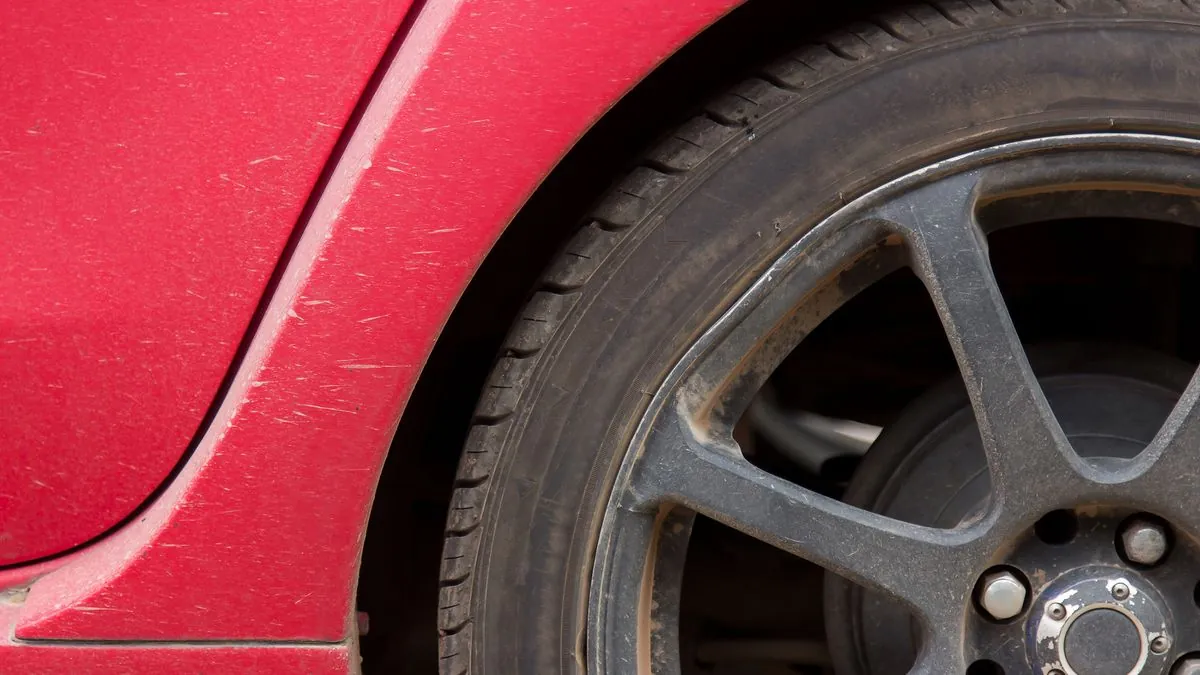
Do you have to replace tyres in pairs?
You don't always need a pair, but matching tyres across an axle matters for safety. Here's the rule on replacing in pairs and why new tyres go on the rear.
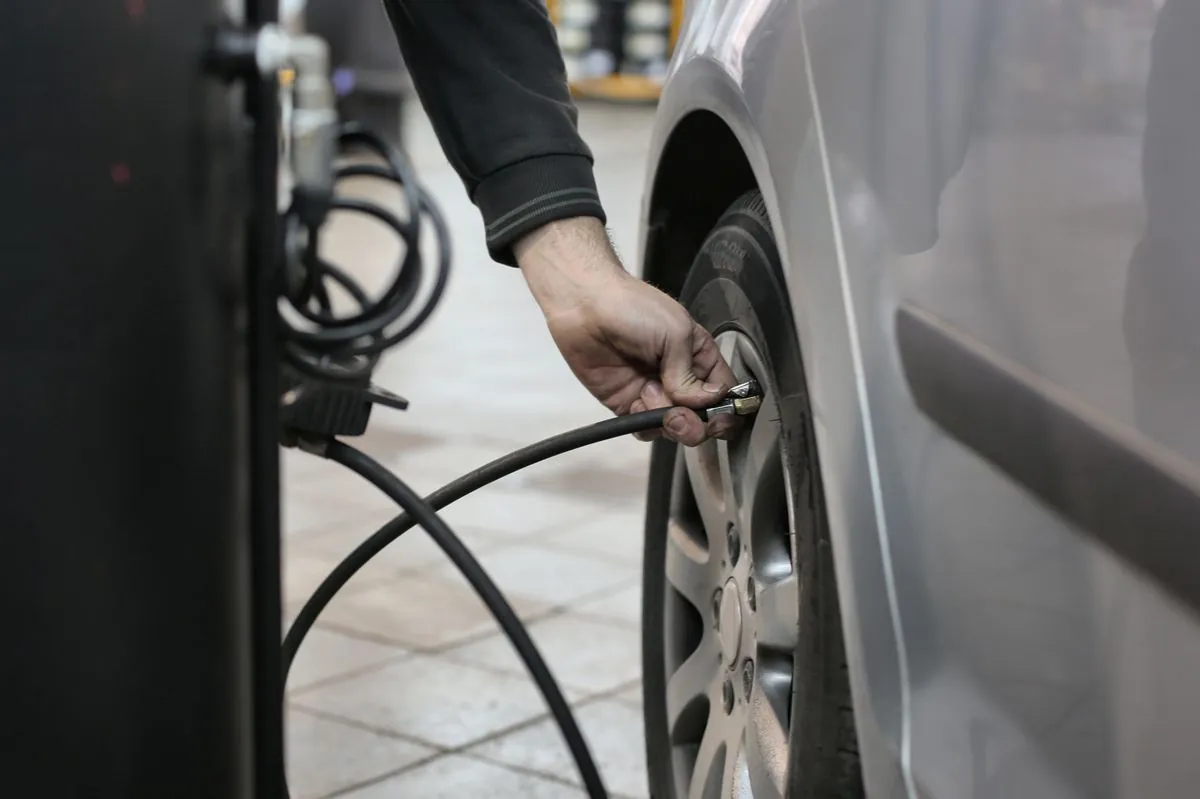
Lost your locking wheel nut key? What to do
No locking wheel nut key, or a seized nut? Here's how the wheel still comes off safely.

Replace one tyre or all four?
You don't always need four new tyres. Here's when you can replace just one, when you should do a pair, and when all-wheel-drive means replacing all four.

24-hour mobile tyre fitting: how it works
Stuck with a flat at 2am? Here's how 24-hour mobile tyre fitting works and when to use it.
Tyre guarantees and road-hazard warranties
Tyre guarantees and road-hazard cover can save you if a new tyre is damaged. Here's what each covers, the exclusions, and whether they're worth it.

Broken down on the motorway: staying safe
A tyre problem on a motorway is one of the most dangerous places to stop. Here's how to stay safe while you wait for help.
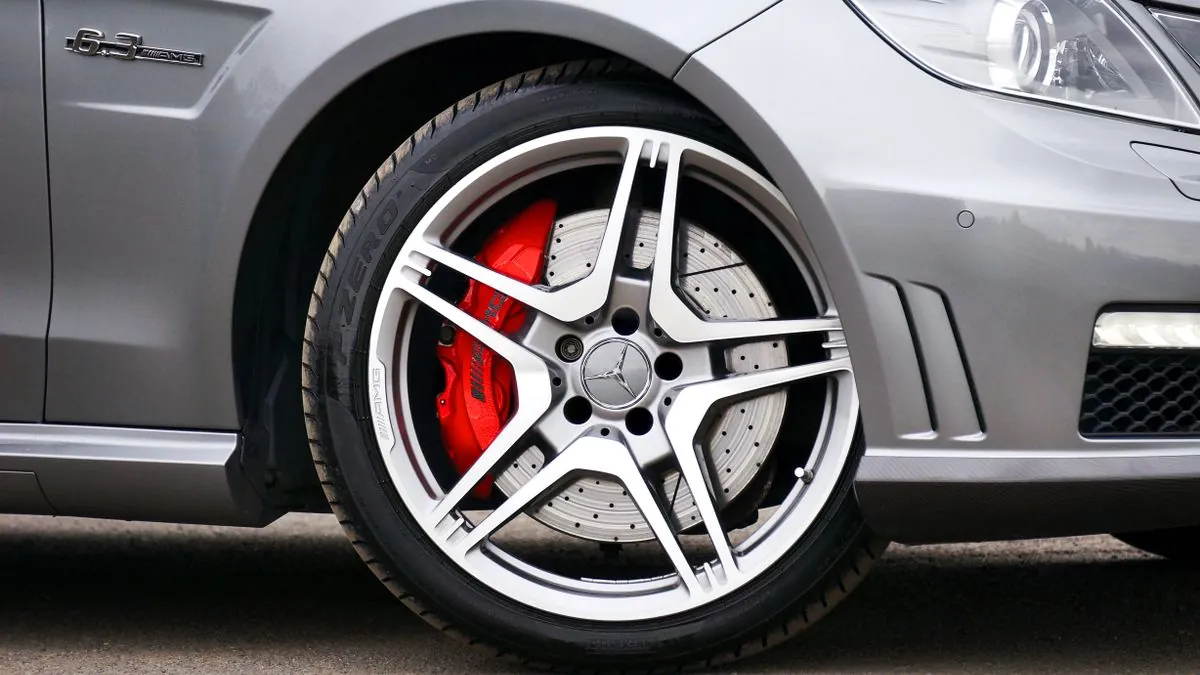
What to ask before you buy tyres
Don't buy tyres blind. Here are the key questions to ask before you commit, from size and ratings to the total fitted price and what's included.

Tyre blowouts: causes and prevention
Most blowouts are preventable. Here are the main causes and the simple checks that stop them happening.

Same-day tyre fitting: how it works
Need tyres today? Here's how same-day mobile fitting works, what affects how fast we reach you, and how to get a tyre sorted without losing your day.

What to do in a tyre blowout
A blowout at speed is frightening but survivable if you react correctly. Here's exactly what to do.
How to buy tyres online and have them fitted
Buying tyres online can save money, but you still need them fitted. Here's how to find the right size, compare safely, and have them fitted at your door.
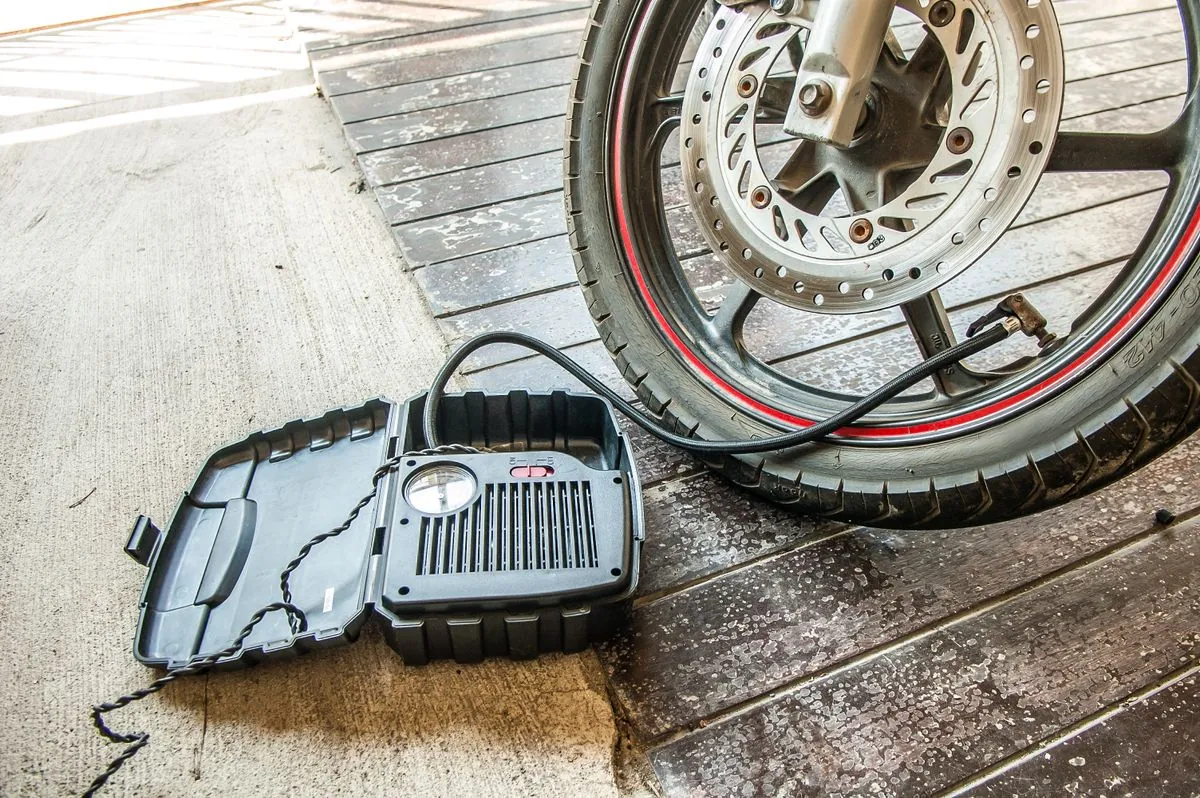
Nitrogen vs air in tyres: is it worth it?
Some fitters offer nitrogen instead of normal air. Here's the honest take on whether it's worth paying for.

Festival and camping trip tyre prep
Festivals and campsites mean heavy loads and muddy fields. Here's how to prep your tyres so you don't get stuck or stranded on the way there or back.

Wheel balancing vs alignment: what's the difference?
Balancing and alignment are often confused but are two different jobs. Here's what each does and when you need it.

Weekend road-trip tyre check
Heading away for the weekend? A five-minute tyre check before you load up prevents most roadside breakdowns. Here's exactly what to look at before you go.

Why do tyres wear unevenly?
Bald edges, a worn centre or feathered tread all tell a story. Here's how to read uneven tyre wear.
Tyre fitting at the office: how it works
Get your tyres fitted while you're at work. Here's how workplace mobile tyre fitting works, what we need from you, and why it saves you the most time.
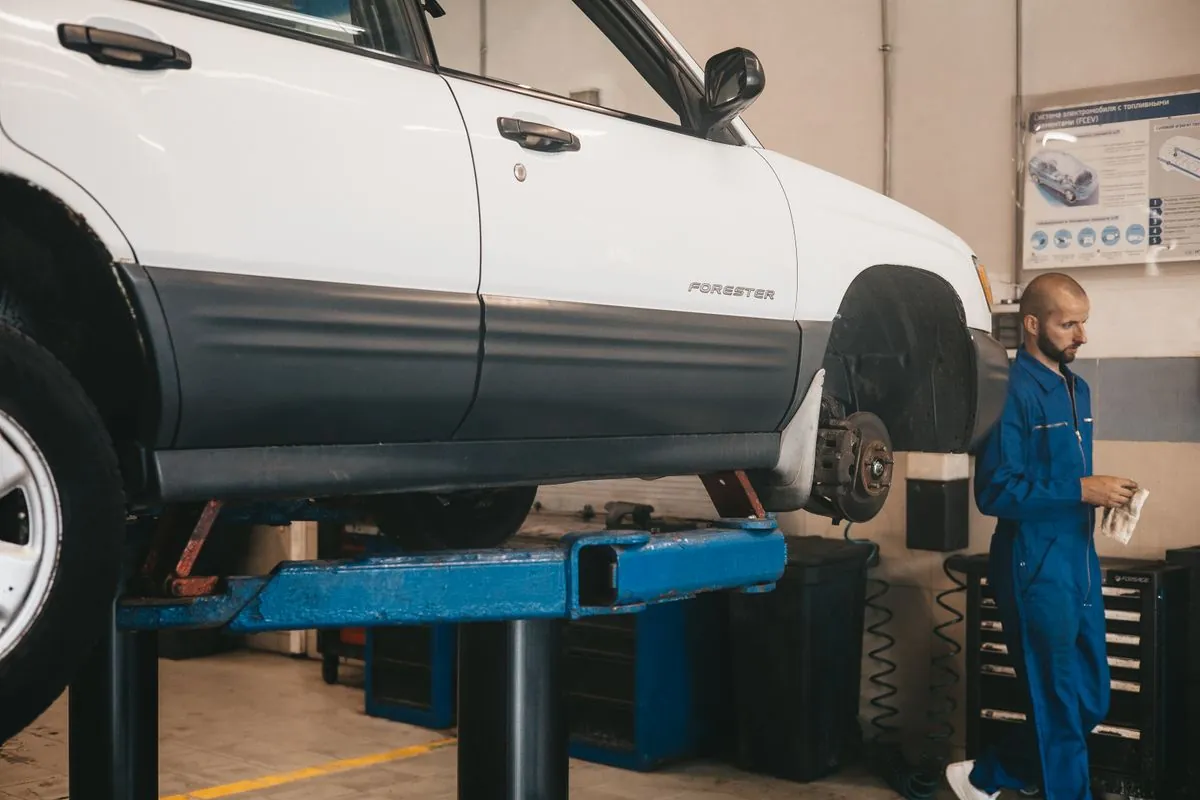
Tyre rotation: does it really help?
Rotating your tyres can even out wear and extend their life. Here's how and when to do it.

London commuter tyre emergencies
A tyre problem in London means traffic, charge zones and nowhere to park. Here's how commuters can handle it safely without driving across the city to a garage.

5 signs your car needs wheel alignment
Bad alignment wears tyres fast and ruins handling. Here are the five warning signs and what to do.
School-run flat tyre: the quickest fix
A flat tyre on the school run throws the whole day. Here's the safe, quickest way to handle it without changing a wheel in the road with kids in the car.
TPMS warning light: what it means and what to do
That horseshoe-shaped warning light is your tyre pressure system. Here's what it means and how to respond.
Mobile tyre fitting at the airport
Found a flat in the airport car park after a flight? Here's how mobile tyre fitting gets you home safely from Heathrow, Gatwick or Birmingham without a tow.
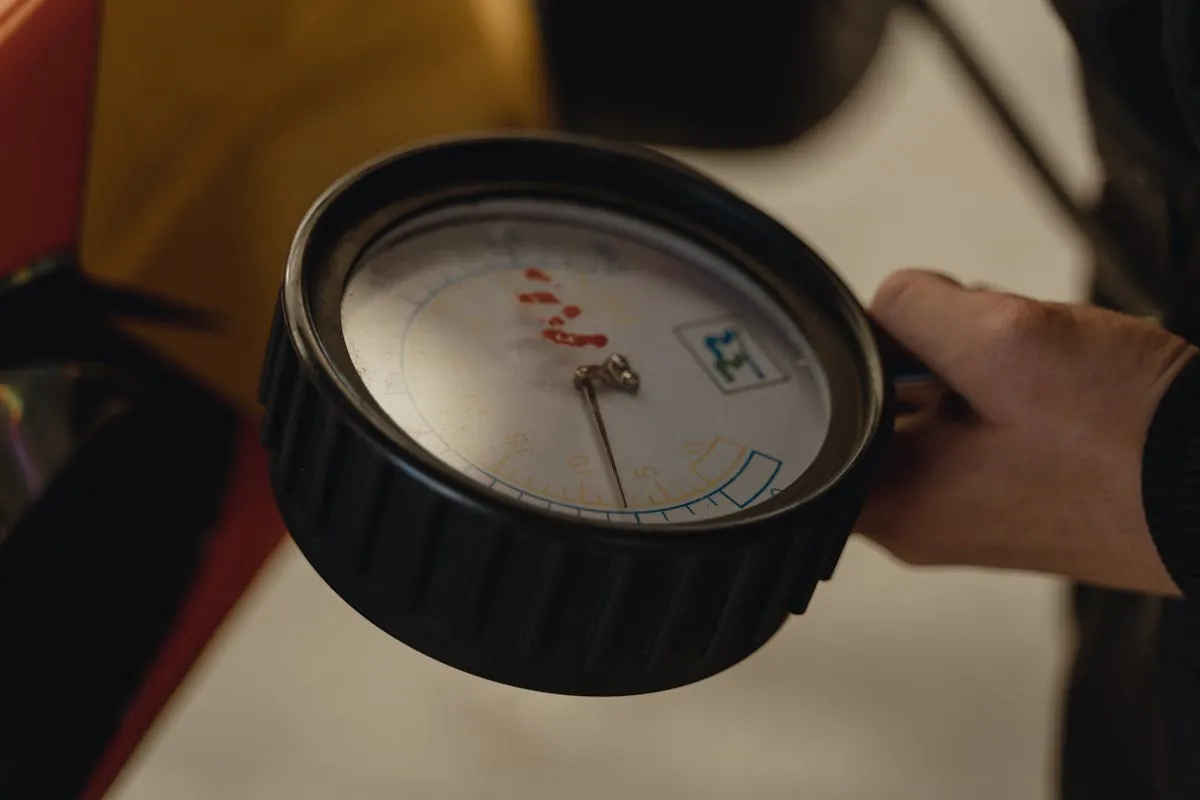
How often should you check your tyre pressure?
Tyres lose air naturally over time. Here's how often to check pressures and why it pays off.

M6 and M40 tyre breakdowns: staying safe
The M6 and M40 carry heavy traffic between Birmingham and London. Here's how to stay safe after a tyre failure and get a fast roadside replacement.
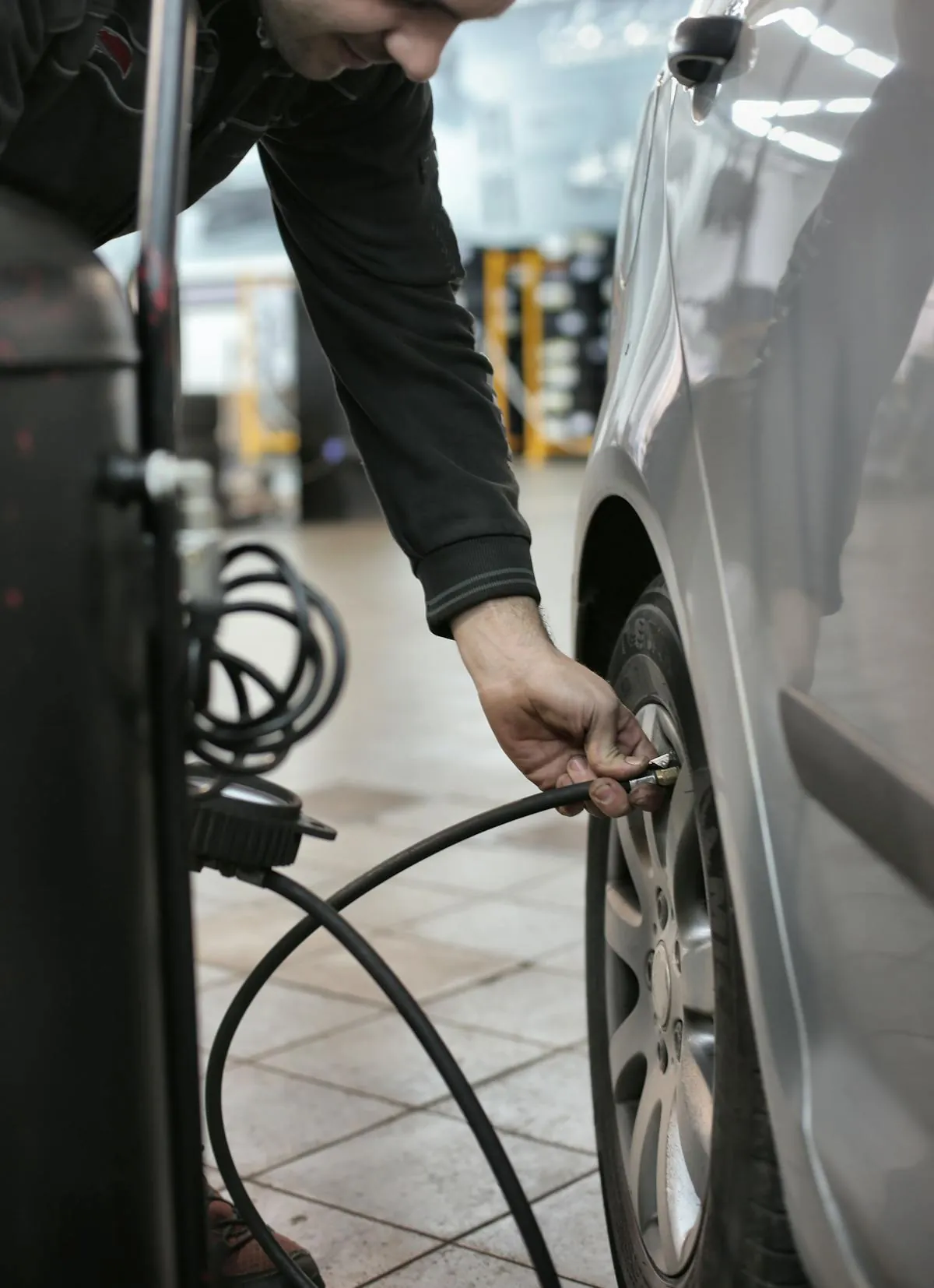
What's the correct tyre pressure for my car?
Where to find your car's recommended tyre pressure and how to set it correctly for load and conditions.

Tyre breakdown on the M25: what to do
A tyre failure on the M25 is one of the most dangerous places to stop. Here's exactly what to do to stay safe, and how a mobile fitter reaches you fast.

Tyre care in a heatwave
Hot roads and long summer trips put tyres under stress. Here's how to avoid a summer blowout.
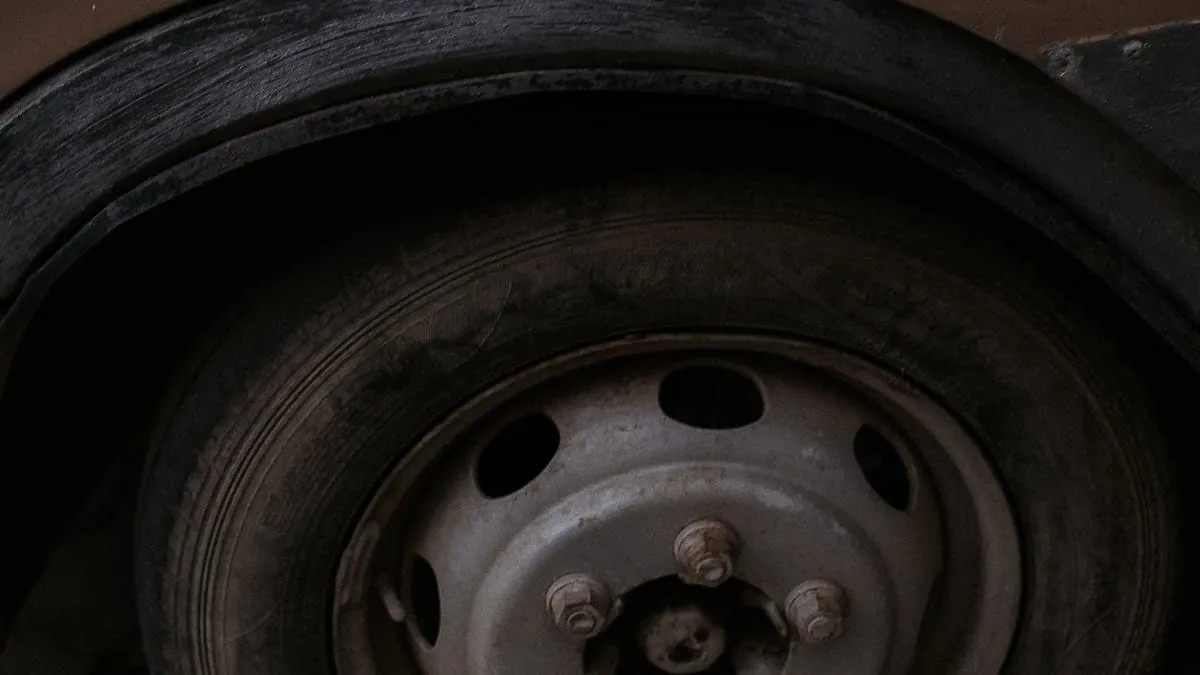
Tyre valve problems and replacement
A faulty valve can leak air just like a puncture. Here's how to spot a bad tyre valve, why to replace it with every new tyre, and how TPMS valves differ.

Preparing your tyres for winter: a checklist
Cold, wet and dark roads demand more from your tyres. Use this checklist to get them winter-ready.

Flat spots on tyres after standing: causes and fixes
Flat spots cause a vibration after a car has stood for a while. Here's the difference between temporary and permanent flat spots, and how to prevent them.

Why your tyre pressure drops in cold weather
A TPMS light in winter is often just the cold. Here's why pressure falls when it's cold and what to do about it.

Why do my tyres squeal in corners?
Squealing tyres in corners can mean low pressure, alignment trouble or worn tyres, not just hard driving. Here's how to tell what's behind it and when to worry.

Driving in the rain: tyres and aquaplaning
Wet roads are where worn tyres bite back. Here's how tyres prevent aquaplaning and how to stay safe in heavy rain.

Humming or roaring tyre noise: what it means
A humming or roaring noise that rises with speed often comes from uneven tyre wear or a worn wheel bearing. Here's how to tell them apart and what to do.
Summer vs winter tyres: what's the difference?
Summer and winter tyres are built for opposite conditions. Here's how they differ and when to use each.
Why is my car pulling to one side?
A car pulling to one side usually means alignment, an uneven tyre or low pressure. Here's how to tell what's causing it and what to check first.

Are winter tyres worth it in the UK?
Winter tyres grip better below 7°C, not just in snow. Here's whether they're worth fitting for UK conditions.
Steering wheel vibration at speed: causes and fixes
A vibrating steering wheel usually points to wheel balance or a tyre problem. Here's how to tell what's causing it from the speed it happens, and how to fix it.
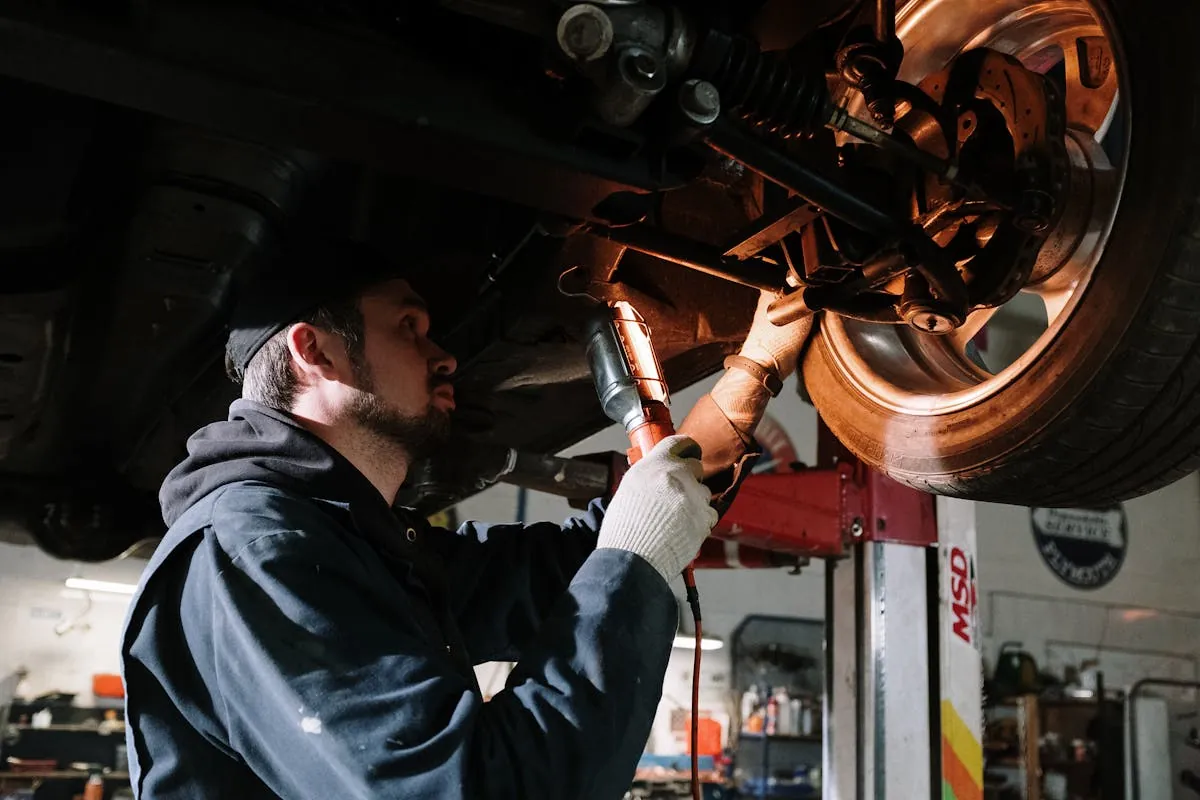
Run-flat tyres explained
Run-flat tyres let you keep driving after a puncture, but they have limits and special rules. Here's what to know.

Eco and sustainable tyres explained
Eco tyres cut fuel use and use more sustainable materials. Here's what 'eco' really means, how low rolling resistance helps, and how tyres are recycled.

Are all-season tyres worth it in the UK?
All-season tyres promise year-round grip without swapping sets. Here's whether they make sense for UK drivers.
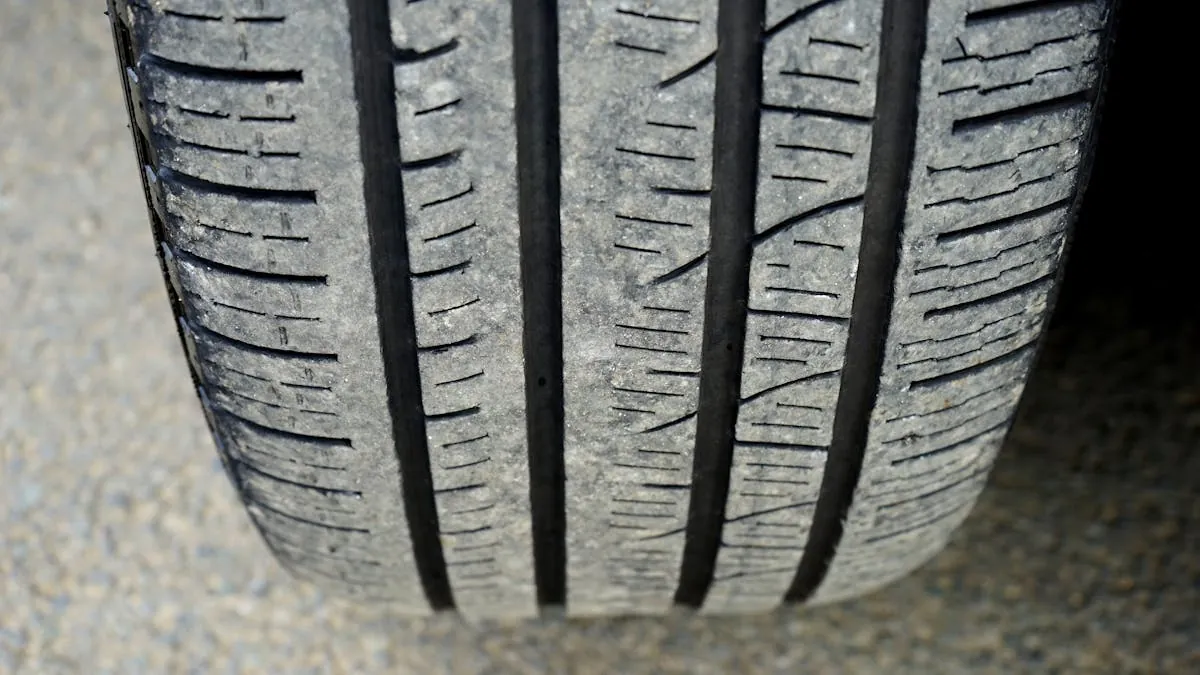
Are cheap budget tyre brands safe?
Budget tyres aren't all the same. Here's how to tell a safe, reputable budget tyre from a risky one using the EU label and tests, and when budget makes sense.

Part-worn tyres: cheap, but are they safe?
Part-worn tyres look like a bargain, but research shows many are sold dangerously or illegally. Here's what to watch for.
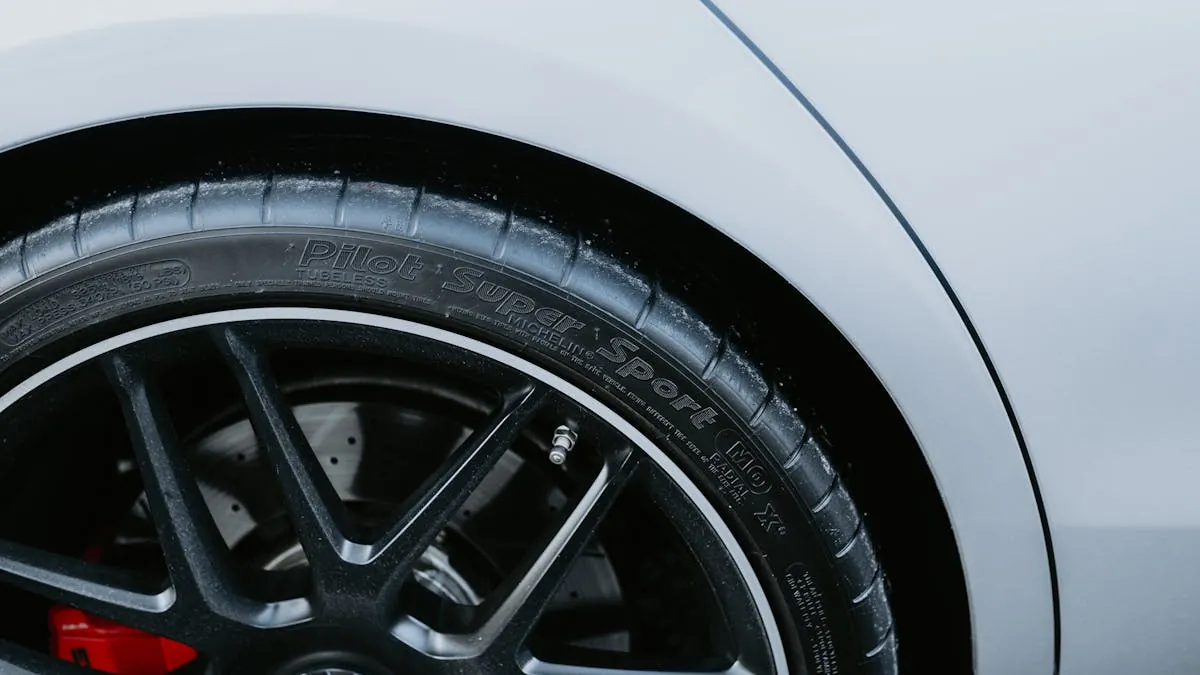
Longest-lasting tyres: what to look for
Some tyres last twice as long as others. Here's what gives a tyre long tread life, the trade-off with grip, and how your habits affect how far a set goes.

The tyre label explained: grip, fuel and noise
Every new tyre carries a label grading fuel efficiency, wet grip and noise. Here's how to use it to buy a better tyre.
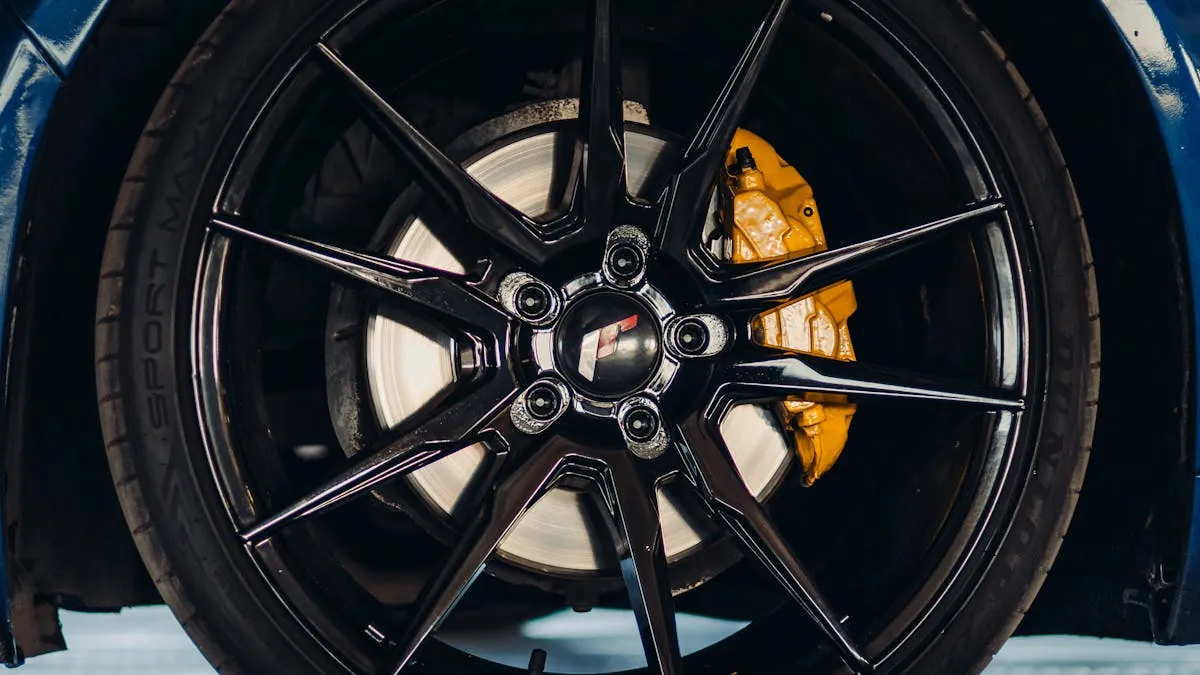
Quietest tyres for a refined ride
Road noise comes mostly from your tyres. Here's how to read the noise rating, what makes a tyre quiet, and why it matters even more on electric cars.
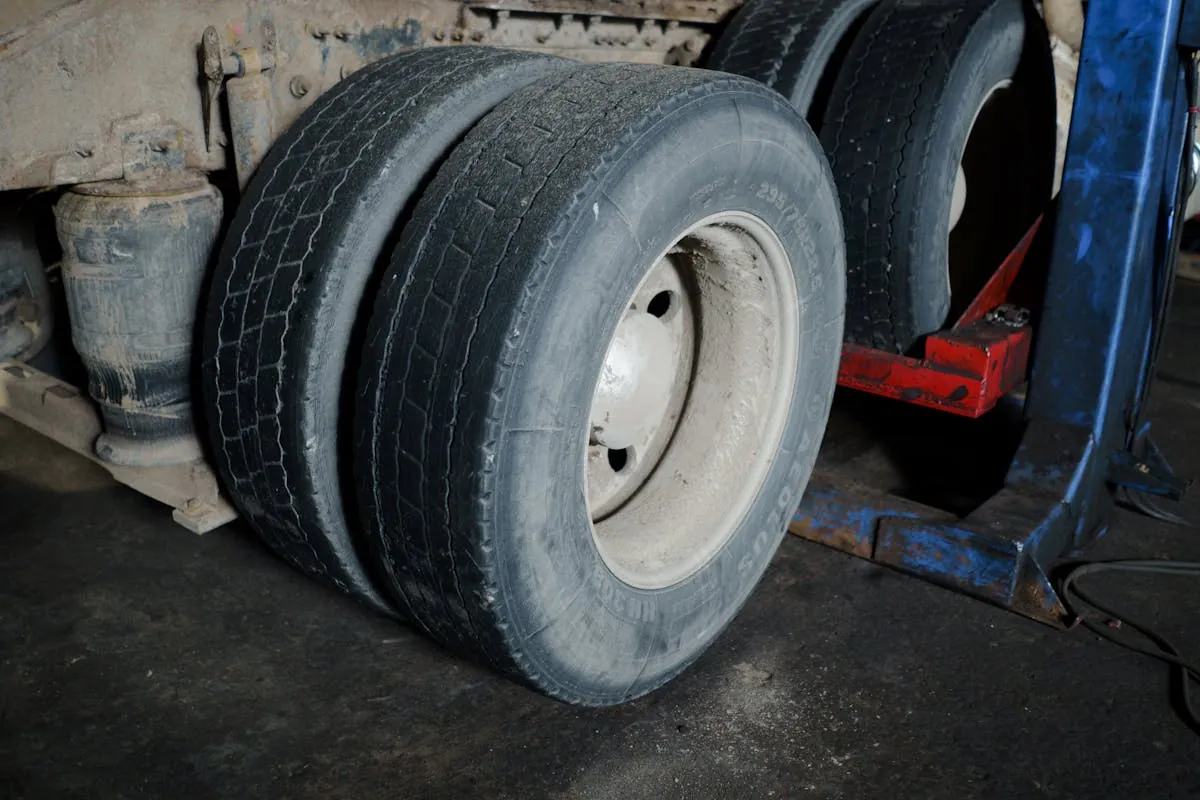
Tyre load index and speed rating explained
The load index and speed rating on your tyre matter for safety and the law. Here's what those final numbers and letters mean.

Best fuel-efficient (A-rated) tyres
Fuel-efficient tyres cut rolling resistance to save fuel or protect EV range. Here's how to read the label, how much you can save, and what to look for.
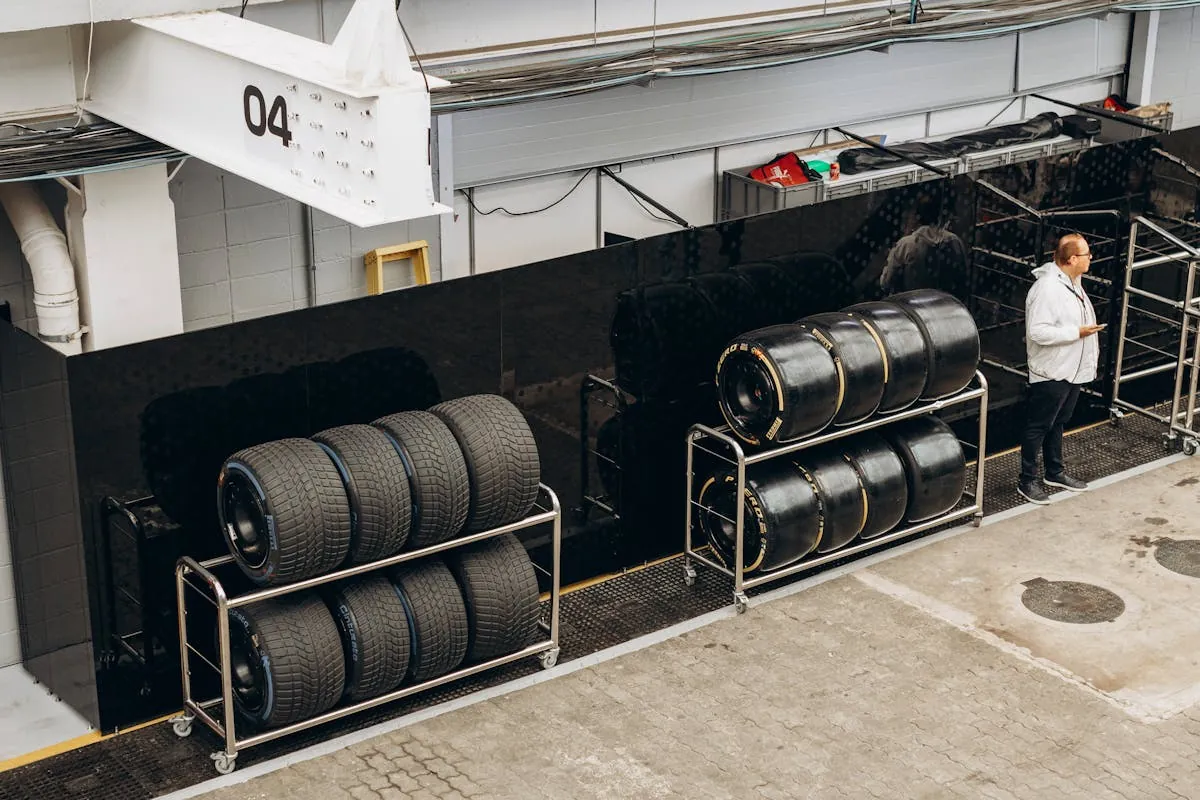
How to choose the right tyre brand
Premium, mid-range or budget? Here's how UK tyre brands are tiered and how to pick the right one for your car.
Goodyear vs Bridgestone: which to choose
Goodyear and Bridgestone are both top premium tyre brands. Here's how they compare on grip, longevity and value, and how to pick the right one for your car.
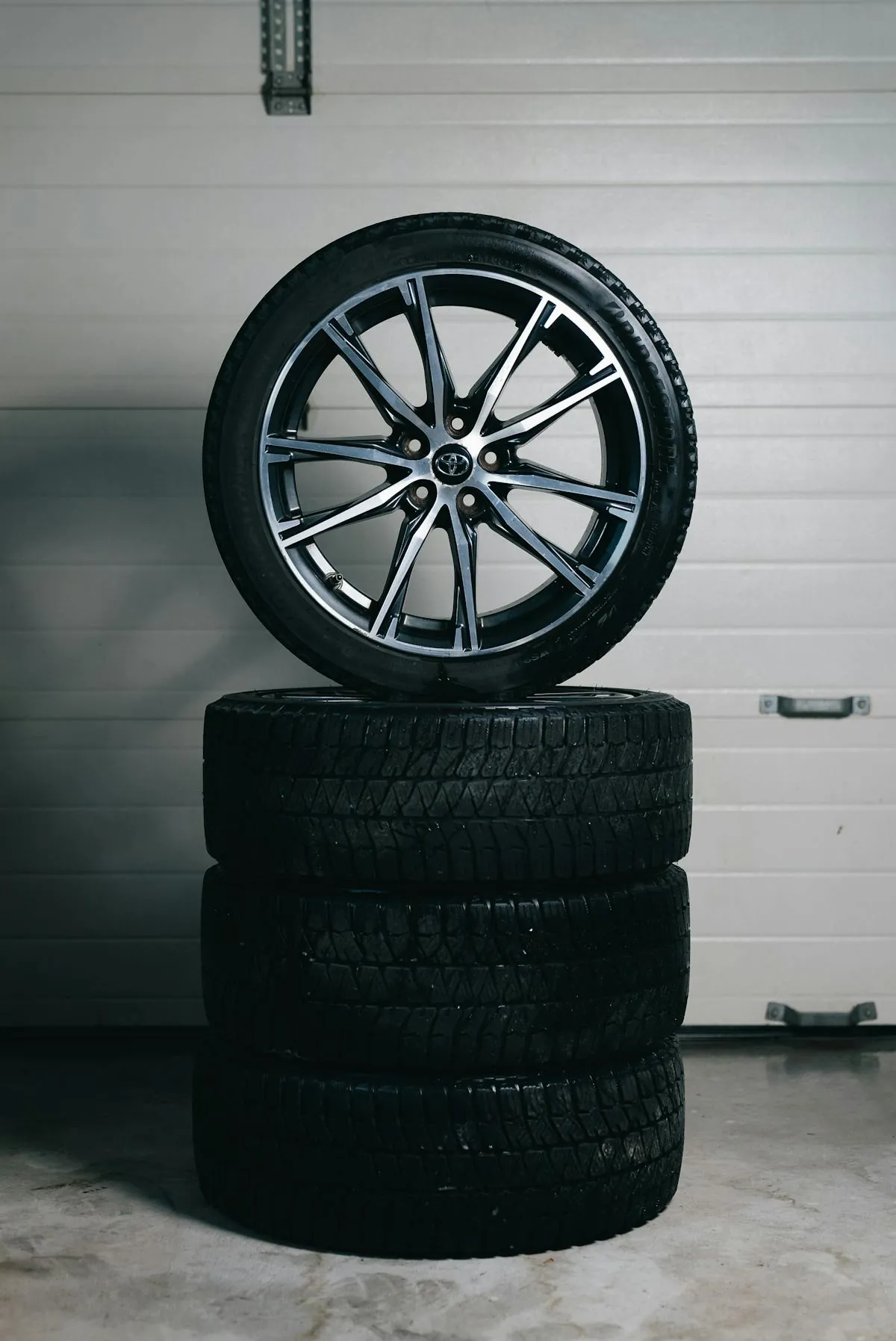
Budget vs premium tyres: are cheap tyres worth it?
Budget tyres save money up front, but premium tyres can stop shorter and last longer. Here's how to choose the right tier for you.

Continental tyres review and range guide
Continental is a premium German tyre brand renowned for wet braking and short stopping distances. Here's a review of where they excel and who should buy them.
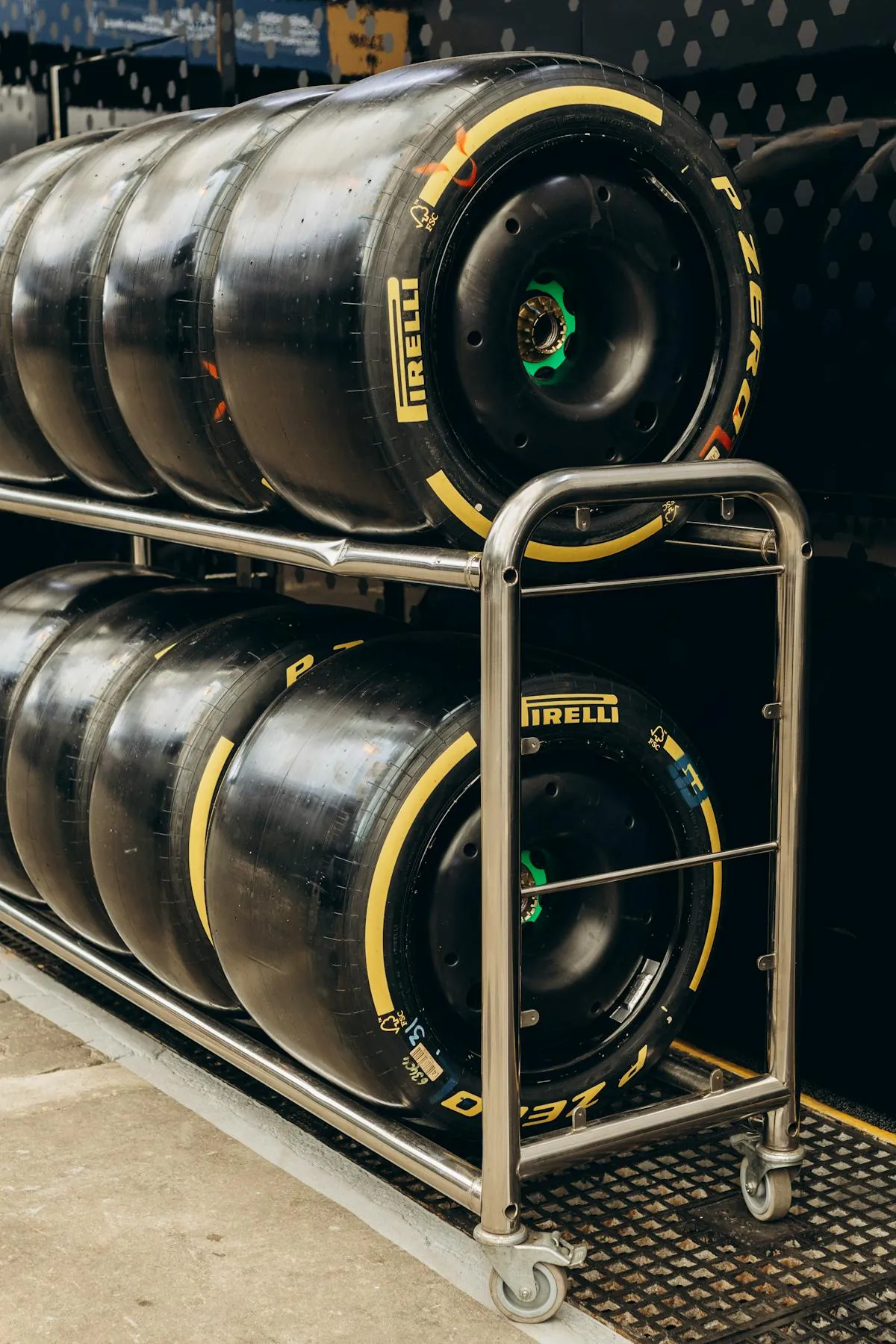
How to read your tyre size
Those numbers on your tyre sidewall tell you everything you need to order the right tyre. Here's what 205/55 R16 91V means.
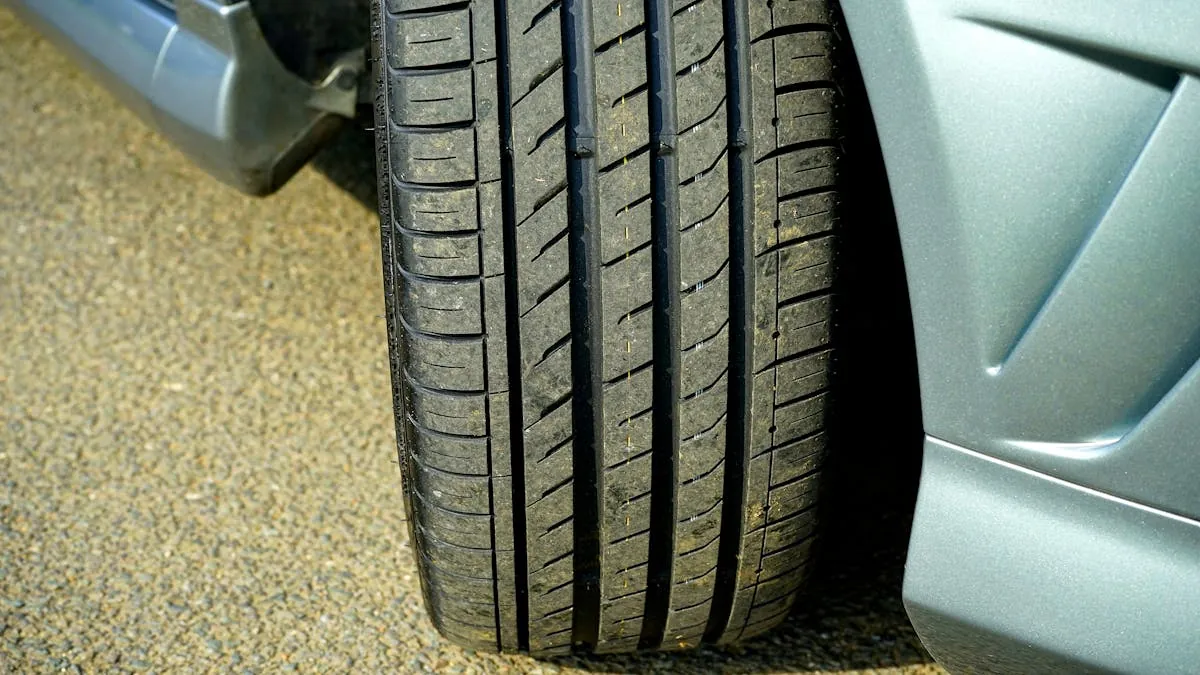
Michelin tyres review: are they worth it?
Michelin is a top premium tyre brand known for long life and all-round performance. Here's an honest look at whether Michelin tyres are worth the extra money.

Tyre sealant: good idea or bad idea?
Tyre sealant can get you moving after a puncture, but it has real downsides. Here's when to use it and when to avoid it.
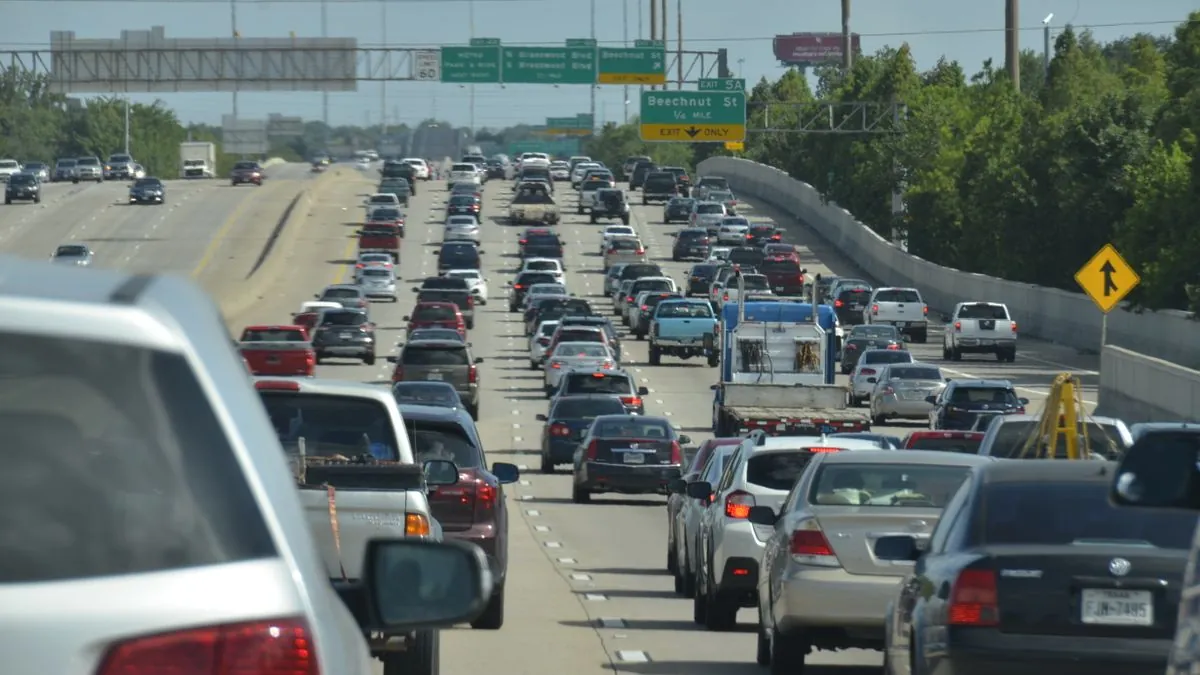
Tyres for high-mileage and company-car drivers
If you cover serious miles, the right tyre saves real money. Here's how to choose for cost per mile and motorway safety, and keep a company car compliant.

How much does puncture repair cost in the UK?
What you'll typically pay for a tyre puncture repair in the UK, and how mobile repair compares to a garage.

Hybrid car tyres: do they wear faster?
Hybrids are heavier than petrol cars and use instant electric torque, so tyres can wear faster. Here's what to look for and how to get the most from a set.
Is sidewall tyre damage repairable?
Bulge, cut or crack in your tyre's sidewall? Here's why sidewall damage almost always means a new tyre, and what causes it.
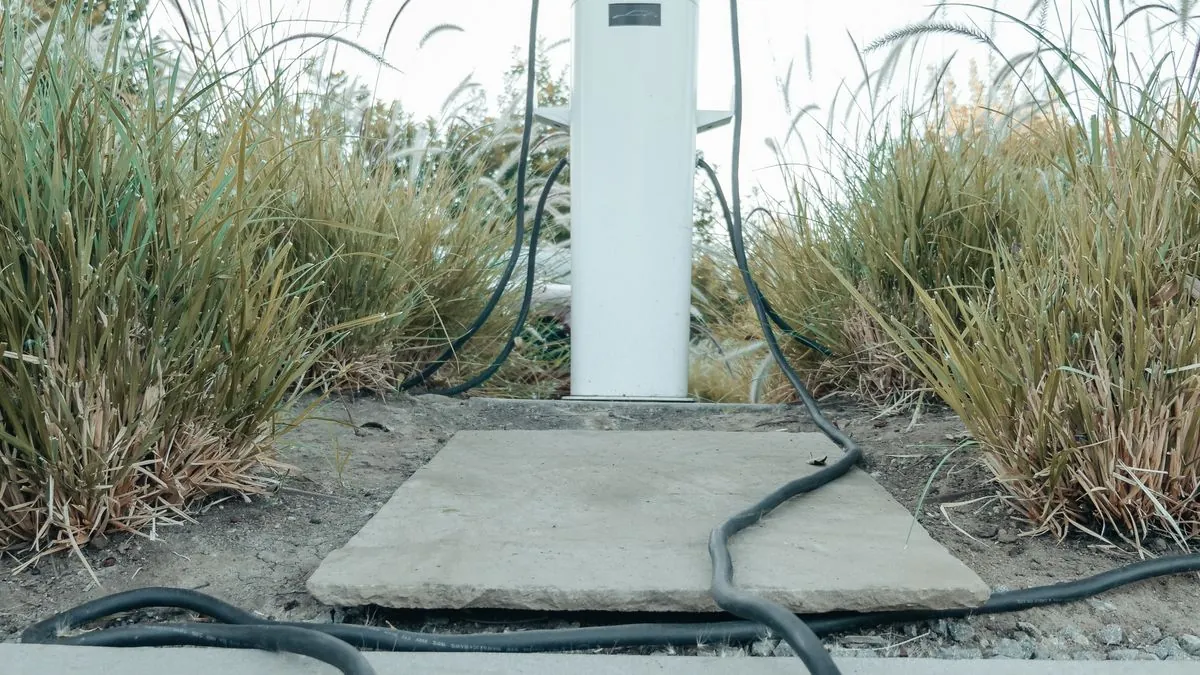
Electric van tyres: what's different
Electric vans are heavier and torquier than diesel vans, so tyres wear faster. Here's what to look for in load rating, rolling resistance and range protection.
Tyre repair vs replacement: which do you need?
Should you repair a damaged tyre or replace it? Here's how to decide, based on UK safety standards and cost.

Tyres for new and learner drivers
New to driving? Here's what every new driver should know about tyres: how to check them, what's legal, and how to choose safe tyres on a first-car budget.
There's a nail in your tyre, here's what to do
Found a nail or screw in your tyre? Don't panic, and don't pull it out. Here's the safe way to handle it.

Tyres for taxis and private hire vehicles
Taxi and private hire tyres do huge mileage in stop-start city traffic. Here's how to choose for durability and cost per mile, and keep a PHV legal and earning.
Slow puncture: causes, signs and fixes
A tyre that keeps losing air a little at a time is a slow puncture. Here's how to spot one, what causes it and how to fix it safely.

Can a puncture be repaired? The UK rules
Not every puncture means a new tyre. Learn which punctures are safely repairable under UK standards and which aren't.

Is it safe to drive on a flat tyre?
Driving on a flat tyre is dangerous and can wreck your wheel. Here's what to do instead and how far you can safely go.
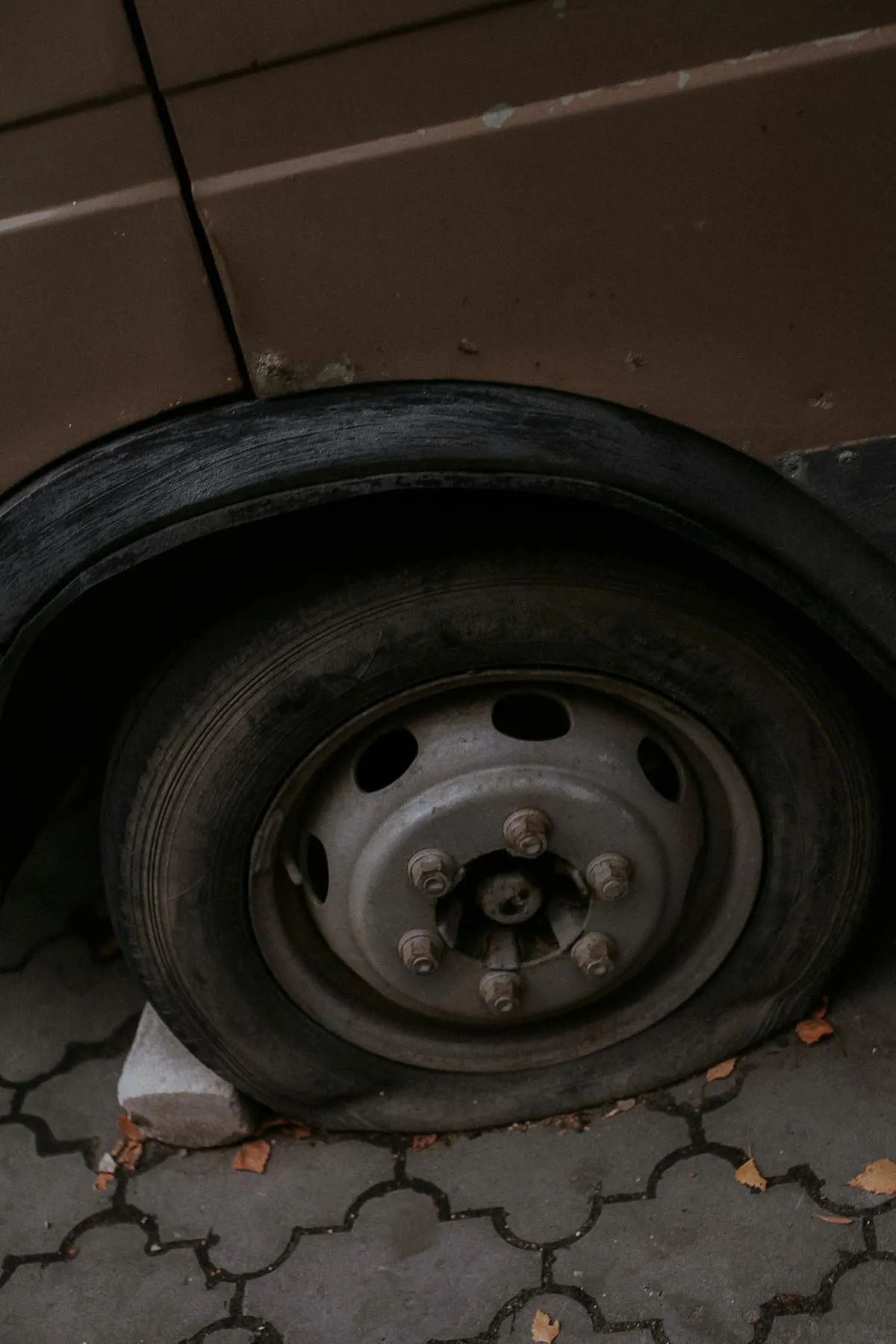
Spare wheel vs tyre repair kit: which is better?
Many new cars come with a sealant kit instead of a spare wheel. Here's the difference, the pros and cons, and what to do if you have neither.
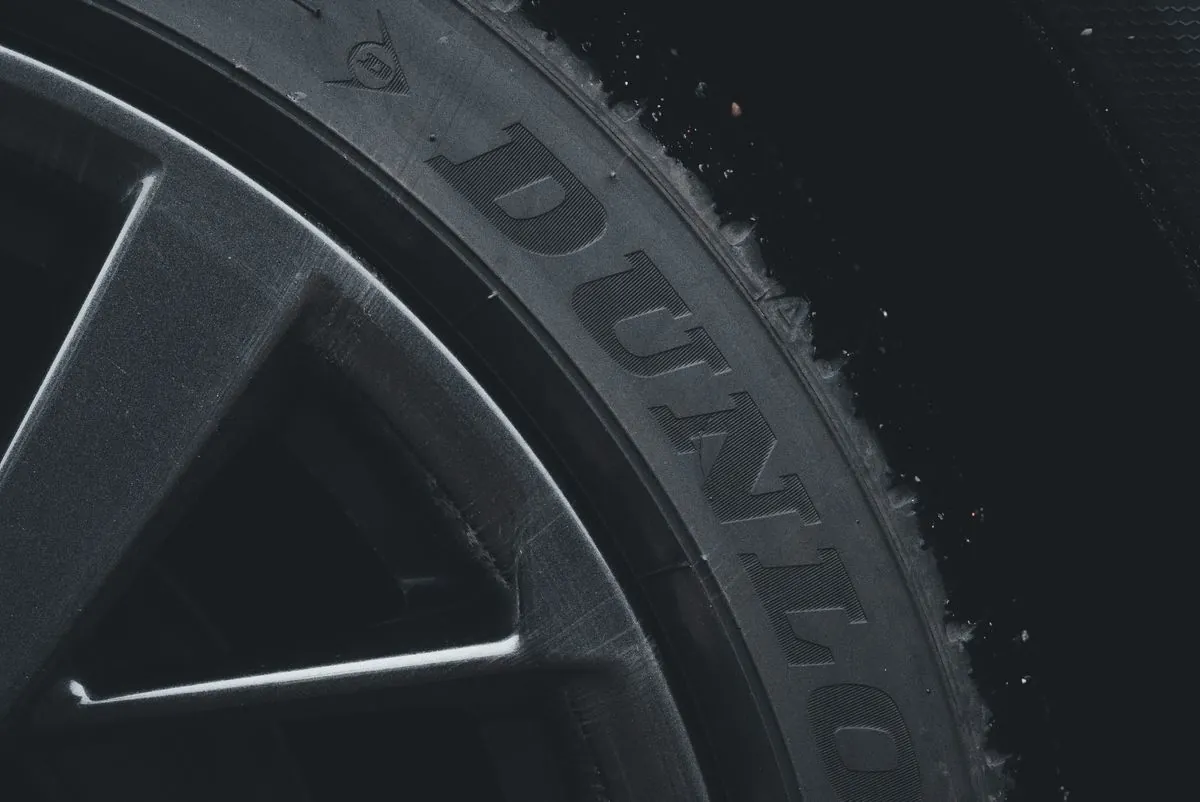
How old is too old for a tyre?
Tyres age even when they're barely used. Learn how to read the DOT date code and when an old tyre should be replaced.
When to replace your tyres: 7 warning signs
Not sure if you need new tyres? Here are seven clear signs it's time to replace them, from low tread to cracking and vibration.
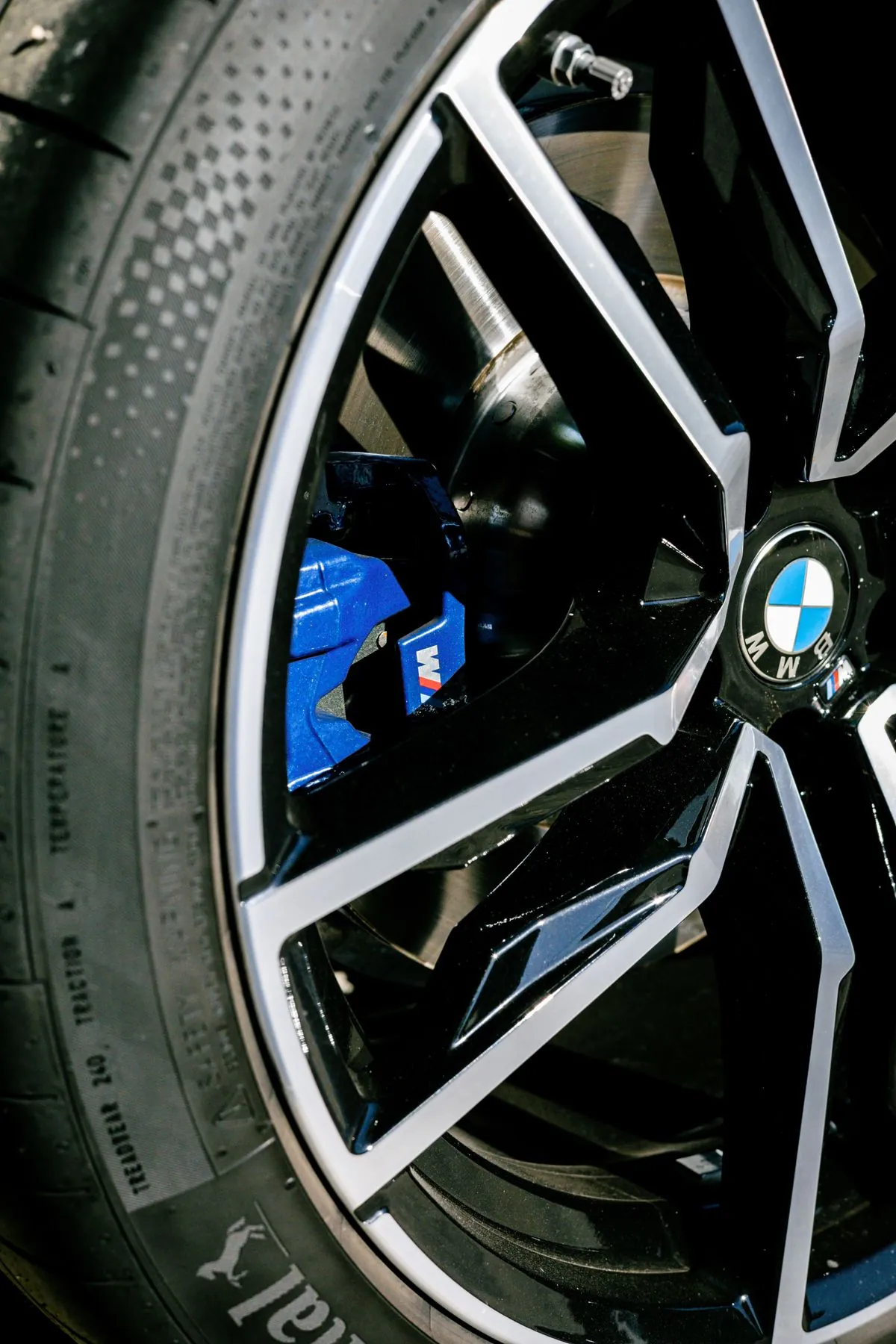
Illegal tyres: the fines and penalty points explained
Driving on illegal tyres can cost £2,500 and 3 points per tyre. Here's what makes a tyre illegal and how to stay on the right side of the law.
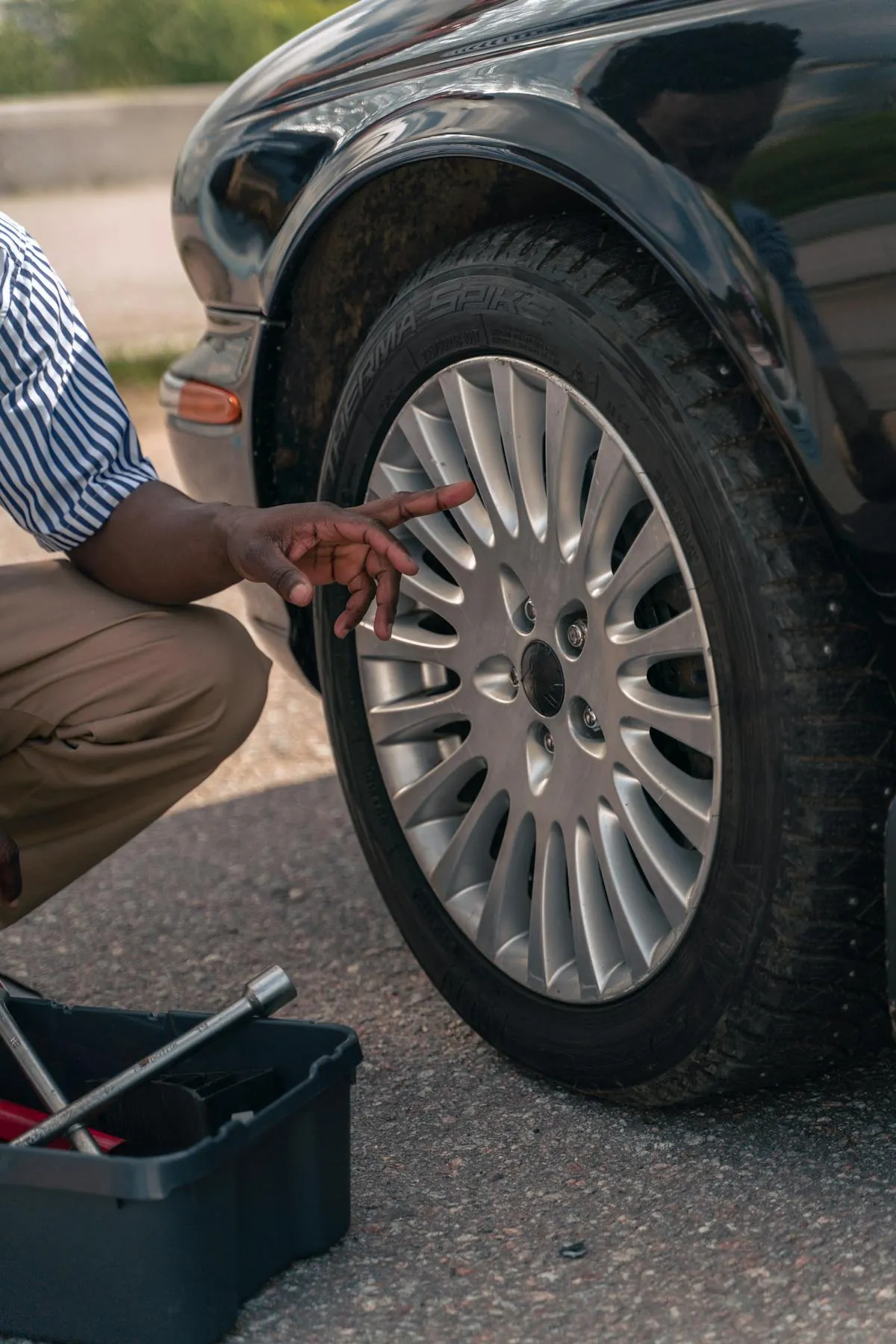
Why tyres fail the MOT, and how to avoid it
Tyres are one of the most common MOT failures. Here are the exact tyre checks an MOT covers and how to pass first time.
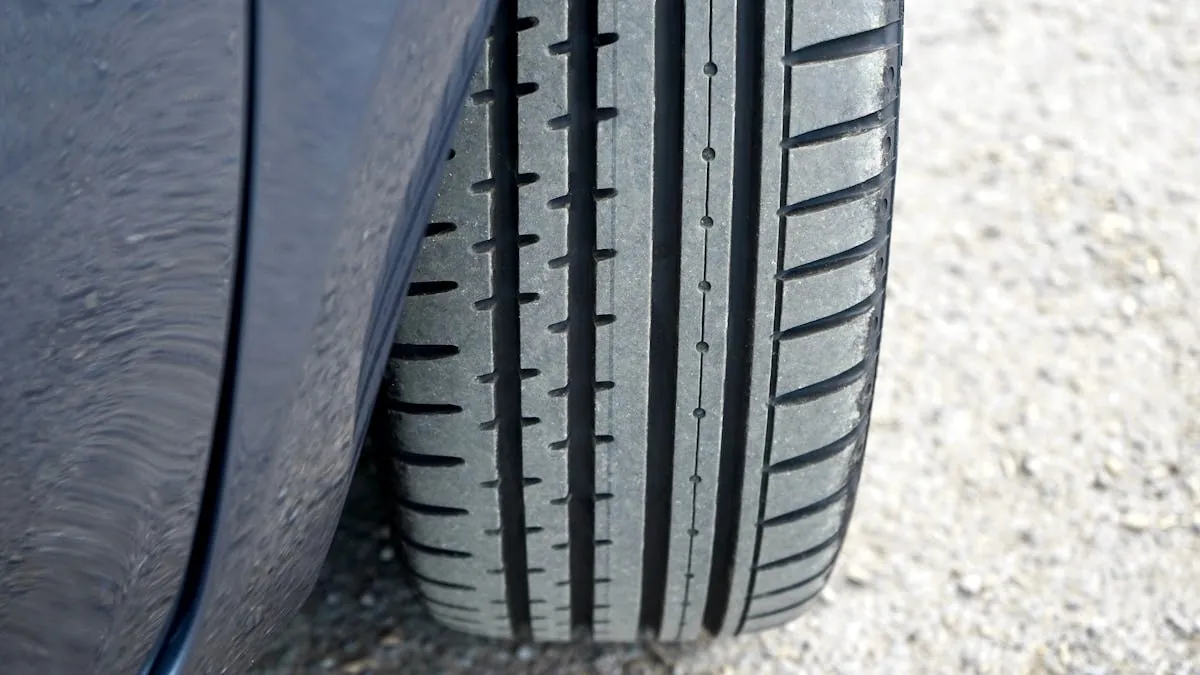
How to check your tyre tread with the 20p test
The 20p test is the quickest way to check if your tyres are road-legal. Here's how to do it in 30 seconds and what to do if your tyres fail.
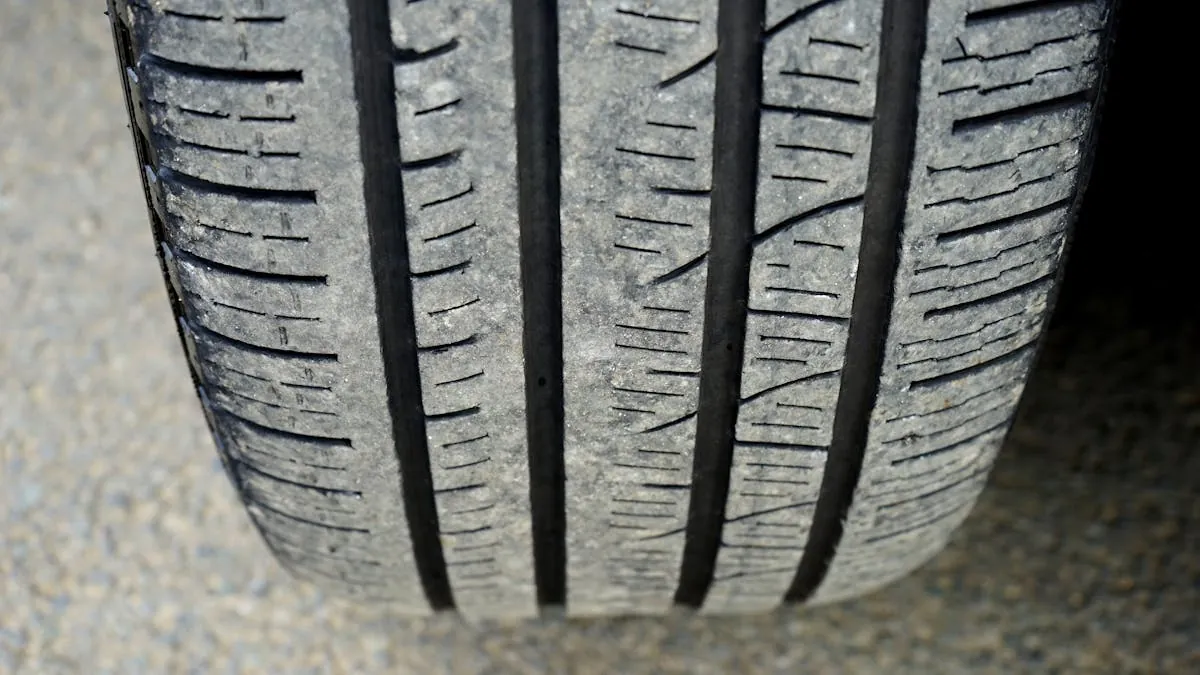
The UK tyre tread depth law, explained
The legal minimum tyre tread depth in the UK is 1.6mm. Here's exactly what the law means, how it's measured and the fines for getting it wrong.