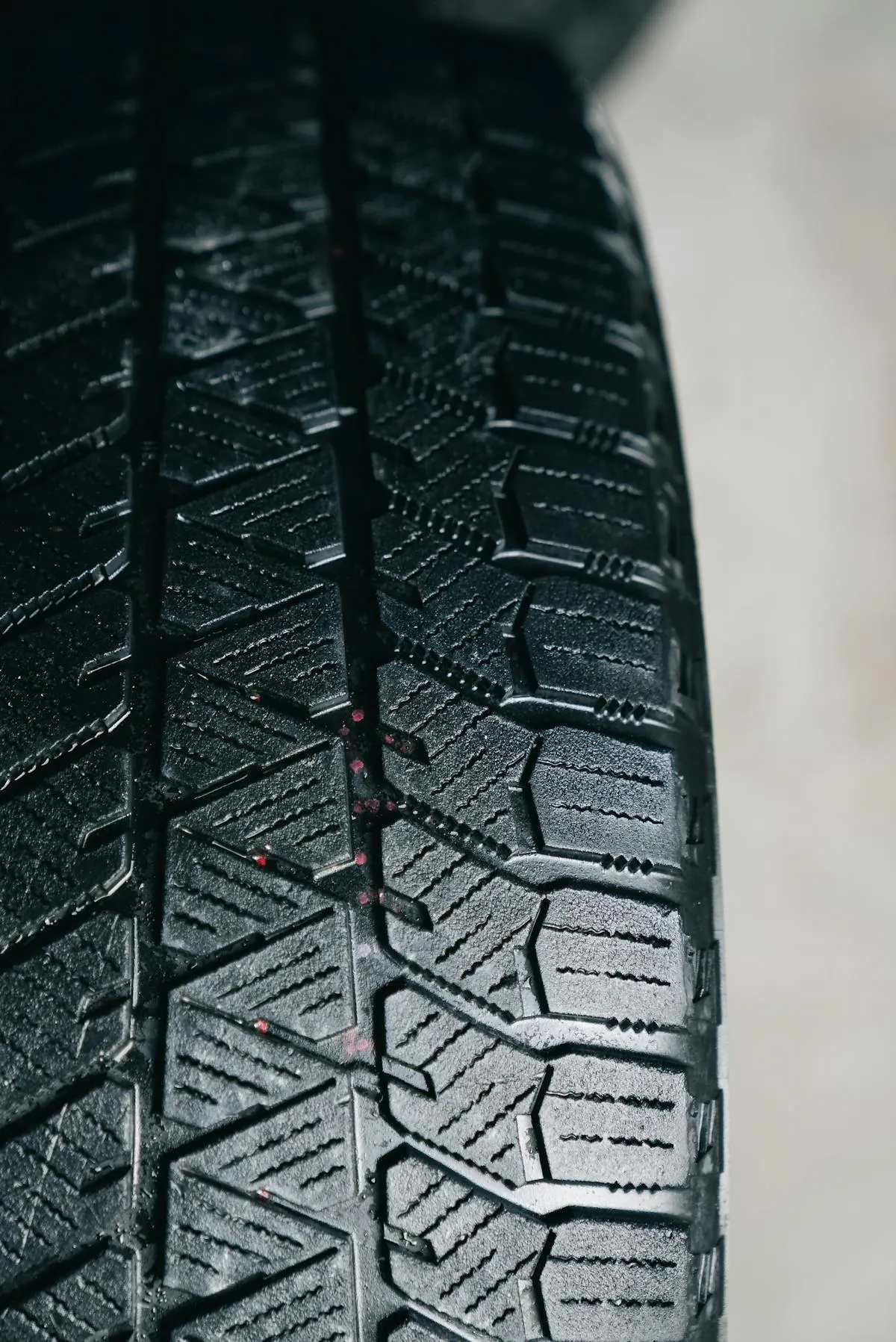
Tyres are one of the bigger running costs of a car, and simple habits can add thousands of miles to their life without compromising safety. Most premature wear comes down to three things: pressure, alignment and driving style. Get those right and a set that might have lasted 20,000 miles can comfortably go further. Here's the complete guide to getting the most from every set, plus the mistakes that quietly throw money away.
1. Keep pressures correct
Under- or over-inflation wears tyres faster and unevenly, and it's the single biggest factor in tyre life. Check monthly against the recommended figure on your door placard. Tyre-safety charity TyreSafe recommends a monthly check, and it takes two minutes at a fuel stop. An under-inflated tyre also wastes fuel and runs hotter, so this one habit protects your tread, your wallet and your safety all at once. Use the laden pressure when the car is fully loaded, or the shoulders will take a beating.
2. Alignment and balancing
Bad alignment can ruin a tyre in just a few thousand miles, scrubbing one edge clean off while the rest looks fine. Get it checked after any kerb or pothole impact, and any time the car pulls or the steering wheel sits off-centre. Have new tyres balanced so vibration doesn't cause cupping and uneven wear. These two jobs are cheap relative to a tyre, so catching a problem early almost always pays for itself in saved tread.
3. Rotate your tyres
Rotating evens out the faster front wear on front-wheel-drive cars, so the whole set wears down together and you replace four tyres less often instead of two at a time. Most makers suggest roughly every 5,000 to 8,000 miles, and it's convenient to do at a service or seasonal swap. Just check your handbook first, as directional tyres and cars with different front and rear sizes have their own rules.
4. Drive smoothly
Hard acceleration, heavy braking and fast cornering all scrub off rubber. Smooth, anticipatory driving is gentler on tyres and on fuel, and it's the habit you control most directly. Think of it as reading the road far enough ahead that you rarely brake hard. It's especially worth bearing in mind in an electric car, where the instant torque makes it easy to accelerate harder than you realise, which is a big reason EV tyres can wear quickly.
5. Avoid kerbs, potholes, overloading
Kerbing damages sidewalls and knocks out alignment; potholes cause bulges and splits; and overloading overheats tyres beyond their rating. Mind all three, and don't exceed the load rating printed on the sidewall when the car is fully laden. A single bad pothole strike can cause an internal bulge that writes off an otherwise healthy tyre, so it's worth slowing for the ones you can't avoid.
6. Store seasonal tyres properly
If you swap summer and winter sets, store the spare set clean, cool, dry and out of direct sunlight so the rubber doesn't perish. Stacked flat or hung is fine for short periods; upright is best for longer storage. Mark which corner each came off so they can go back in a sensible rotation next season, and give them a quick condition and age check before refitting.
What shortens tyre life most
If you want to know where the biggest savings are, these are the worst offenders, roughly in order of impact:
| Cause | Effect on tyre life | Fix |
|---|---|---|
| Under-inflation | Faster, uneven shoulder wear; more fuel | Monthly pressure check |
| Poor alignment | One edge worn out in a few thousand miles | Check after impacts |
| Aggressive driving | Scrubs tread off across the board | Smoother inputs |
| No rotation | Mismatched pairs, replaced sooner | Rotate per handbook |
| Kerb/pothole impacts | Sudden damage, bulges, write-offs | Slow for hazards |
How long should tyres last?
There's no single number, because it depends on the tyre, the car and your driving. As a rough guide, many drivers get somewhere in the region of 20,000 to 40,000 miles from a set, with premium tyres often lasting longer. But age matters too: even with tread left, rubber degrades over time, so a tyre much past five or six years old should be checked regardless of mileage, see when a tyre is too old. The habits above push you towards the top of that range rather than the bottom, and they keep the tyre safe the whole way there, not just legal.
A simple tyre care schedule
You don't need to think about tyres constantly, just build a few checks into a simple rhythm and they'll look after themselves:
| How often | What to do |
|---|---|
| Monthly & before long trips | Check and set pressures cold, including the spare |
| Monthly | Quick 20p tread test and a look for cracks, bulges and nails |
| Every 5,000-8,000 miles | Rotate the tyres (check your handbook) |
| After any kerb or pothole hit | Check alignment and inspect for damage |
| Yearly / at service | Check tyre age and overall condition |
Signs your tyres are wearing too fast
If a set isn't going as far as it should, the tyres are usually trying to tell you why. Wear concentrated on the shoulders points to under-inflation; a worn centre strip means over-inflation; and wear on one edge alone is the classic sign of an alignment problem, see why tyres wear unevenly for the full set of patterns. Patchy or cupped wear suggests a balancing or suspension issue. Catching any of these early, and fixing the cause rather than just fitting new rubber, is what turns a short tyre life into a long one. A tyre replaced without fixing the cause simply wears out the same way.
We'll help you get there
We check pressures, wear and balance on every visit and advise honestly on what your tyres actually need, not what we'd like to sell. Book a check across the UK.