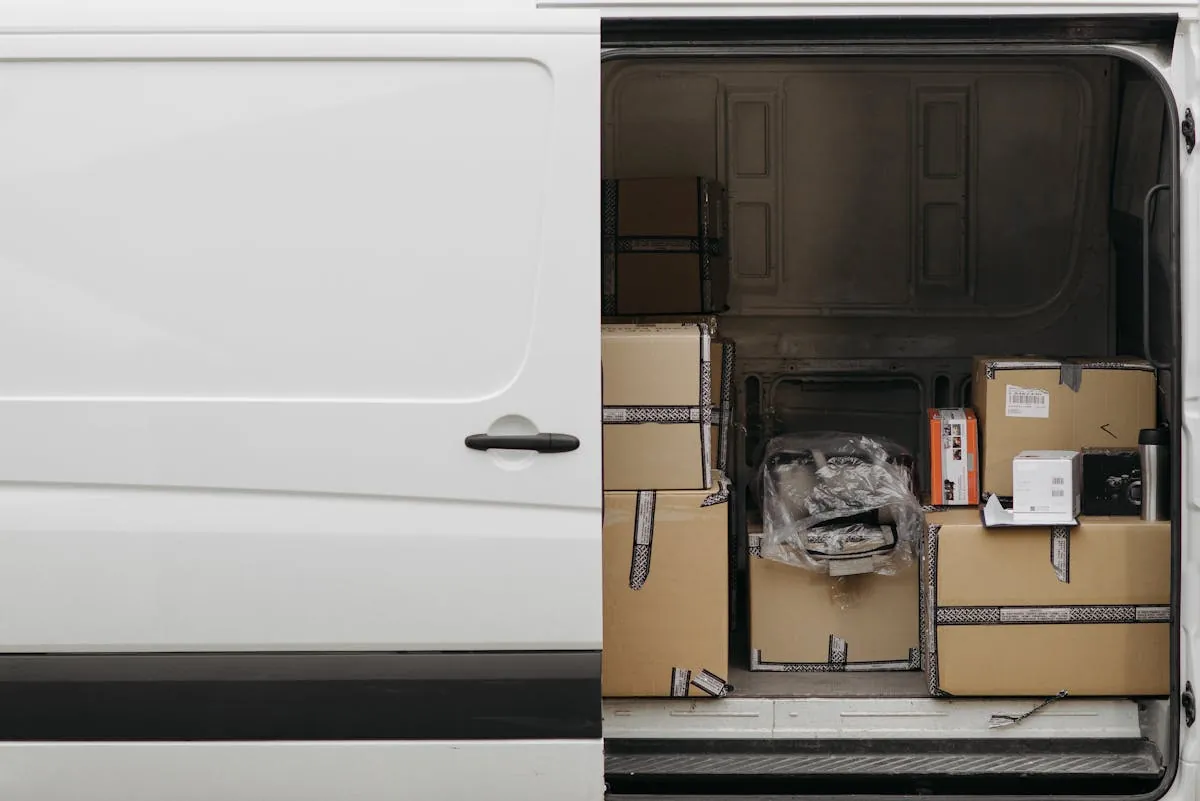
Wherever the tyre is fitted, the price depends on the tyre and the job. The bigger difference is your time and the hassle. A garage means driving there (sometimes on a doubtful tyre), waiting around, and driving back. Mobile fitting comes to you, so you carry on with your day while the work gets done. Once you count the lost hours, time is often the bigger factor.
Here's an honest, side-by-side look at how the two compare, where the real cost hides, the safety angle people forget, and the cases where a garage genuinely makes more sense.
Comparing the two
| Mobile fitting | Garage | |
|---|---|---|
| Travel | None, we come to you | You drive there and back |
| Waiting | Carry on with your day | Waiting room or drop-off |
| Emergencies | Comes to you, evenings and weekends included, if the diary allows | Need to reach it, in hours |
| Safety | No driving on a bad tyre | May have to risk the drive |
| Price | Agreed on the call before work | Quoted by the garage |
The true cost is your time
A garage visit can swallow a couple of hours once you add travel and waiting, and a drop-off can cost you a half-day off work. For many people that lost time matters as much as the price of the tyre itself. Mobile fitting removes it completely, because the work happens while you're at your desk or at home.
It's worth putting a rough number on your own time. If a garage trip costs you two or three hours, put that time into the comparison alongside the price of the tyre.
The safety cost of the drive
There's a safety cost that never shows up on a price comparison: the drive to the garage itself. Driving to a workshop on a damaged or under-inflated tyre is exactly what the law on tyre safety (GOV.UK) warns against, and it's how a repairable puncture often becomes a write-off. Every mile on a failing tyre risks the wheel, the handling and your safety. Mobile fitting takes that drive out of your hands entirely, which is the single biggest practical advantage when something's actually gone wrong.
When a garage might suit
A garage isn't always second best. Planned jobs that need a ramp, complex four-wheel alignment, or specialist equipment are better suited to a workshop. But for tyre fitting, puncture repair, blowouts and roadside emergencies, mobile saves the trip and the drive on a damaged tyre. We'll tell you honestly if your particular job is one a garage should handle.
What a fitting price should include
A tyre price is only comparable when both quotes include the same things, and they often do not. Some garages and online retailers show a bare tyre price and add the rest at the till; a mobile fitter usually quotes the finished job. Before you compare, check each quote covers:
| Item | Why it matters |
|---|---|
| The same tyre | Brand, model, size, load index, speed rating and EU label grades all identical, not just "a 205/55 R16" |
| Fitting and balancing | Sometimes itemised separately at a garage |
| A new valve | Should be standard; a TPMS service kit if the car has sensors |
| Old tyre disposal | A small charge that is easy to miss |
| Callout or travel | Ask whether the mobile price is all-in |
| VAT | Trade-facing prices are sometimes shown without it |
Once both quotes are on the same footing you can compare them fairly, and what remains is the time and the drive. Our guide to what to ask before buying tyres lists the questions in full.
A worked example: the Tuesday puncture
Put the two routes side by side for a typical slow puncture found on a weekday morning and the hidden cost shows itself.
Garage route. You pump the tyre up, drive to the garage on a tyre that is losing air, and either wait while the car is looked at or drop it off and get to work by bus or taxi. Later you collect it, which means leaving work early or a second trip. Somewhere between two hours and a half-day has gone, plus any fares. If the tyre turns out to need replacing and the garage does not have your size, you do it all again.
Mobile route. You send the registration and a photo of the tyre, choose a slot at home or at work, and carry on with your day. The fitter inspects the tyre where the car sits, repairs it if it is within the BS AU 159 limits, or fits the replacement sourced for the job. You lose the time it takes to hand over the keys.
Set the prices aside and what differs is two to four hours of your time and a drive on a tyre that should not be driven on. That is the whole comparison, and it is why fitting at work has become so popular.
Emergencies and out of hours
The gap between mobile and garage is widest when the tyre fails at a time or place a garage cannot help with. A blowout at 11pm, a flat in a station car park on a Sunday, or a tyre shredded on the way to an early flight all have the same problem: the garage is shut, and the car cannot safely be driven to one anyway.
An out-of-hours mobile fitter comes to a safe location with a tyre sourced for your size, which turns a recovery, an overnight stay and a garage visit into a single job. That is worth more than any price difference.
One limit applies to everyone. If the failure happens on a motorway, the car must be moved to a safe place first: no fitter will work on a live hard shoulder or in an emergency refuge area. Get out on the passenger side, get behind the barrier, and call National Highways on 0300 123 5000, or 999 if you are stuck in a live lane. Our service page for emergency tyre replacement explains how we work once the car is somewhere safe.
When mobile costs more than it should
Mobile fitting only works out expensive when the job cannot be finished on the first visit, so a little preparation protects the price. The usual culprits are all avoidable.
- Wrong tyre size supplied. Give the registration and, ideally, a photo of the sidewall, so the fitter brings exactly what is fitted, not what the database thinks. Some cars run different sizes front and rear.
- Locking wheel nut key missing. Find it before the visit. If it is lost, say so when booking, so the fitter brings removal tools.
- No safe place to work. A level bay or driveway is fine; a steep hill, a live carriageway or a basement car park with a low barrier is not.
- Undisclosed damage. If the tyre has been driven flat or the wheel is buckled, mention it. A second tyre or a wheel may be needed, and it is cheaper to know in advance.
Get those four right and a mobile visit is a single, predictable price. Tyre law does not change with the location either: every tyre fitted must meet the legal minimum on GOV.UK, whoever fits it and wherever they fit it.
Honest, transparent pricing
We confirm the price before we fit, so there are no surprises. You book with a free enquiry, and we come to your home, work or a safe spot off the road across London and the Home Counties; further out, we tell you on the call whether we can reach you. See what new tyres cost.
