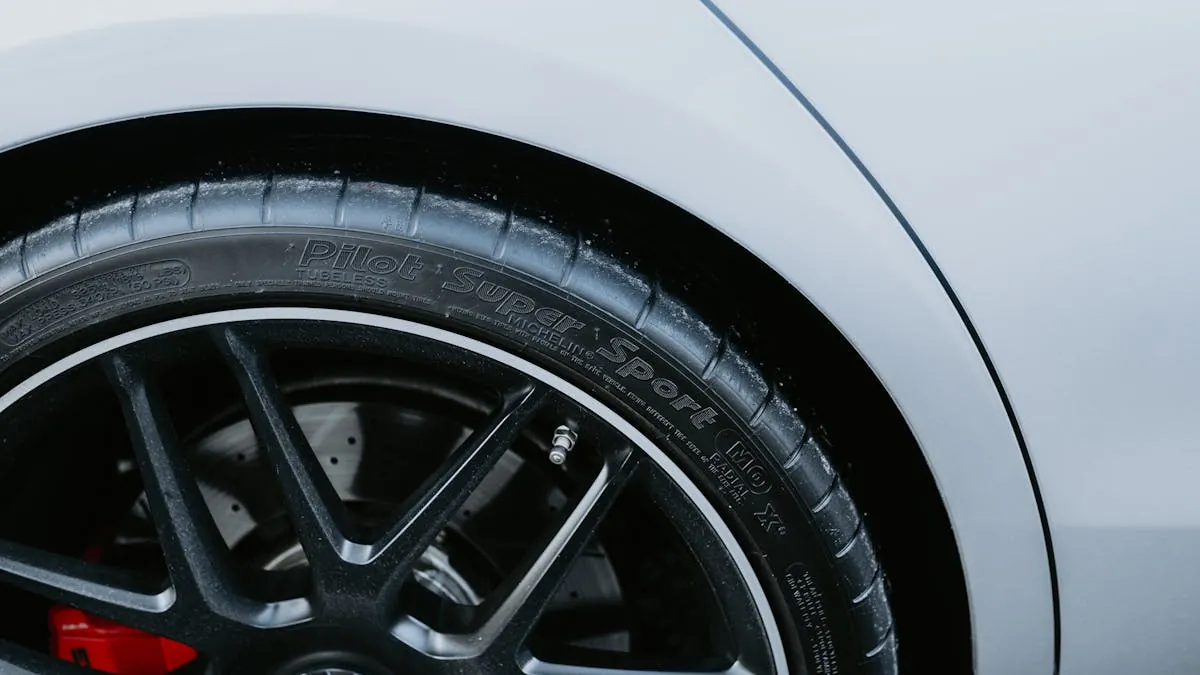
The longest-lasting tyres use harder, durable compounds and are usually premium touring tyres, and they can last far longer than a cheap tyre. Because tyre value is really about cost per mile, a long-life tyre often works out cheaper despite a higher price. The thing to watch is the trade-off: the very hardest-wearing tyres can give up a little outright grip.
What makes a tyre last
Tread life comes down to the compound and construction. Harder compounds wear more slowly, and premium makers engineer their touring tyres to last while still gripping well. Some tyres carry a high "treadwear" rating as a rough guide to durability. Premium touring ranges are the obvious place to look: Goodyear rates its EfficientGrip Performance 2 for up to 20% more mileage than the next best competitor, while the Michelin Primacy 4+ and Continental PremiumContact 7 are built to hold their performance deep into the wear life. In independent testing, the longest-lasting tyres are often premium touring models, which is a big part of their appeal for high-mileage drivers.
The grip trade-off
There's a balance between longevity and grip. A very hard compound lasts a long time but may not grip quite as sharply, especially in the wet, as a softer performance tyre. The best long-life tyres manage both, lasting well without compromising wet braking. Avoid choosing a tyre purely on hardness, because safety, especially wet grip, must come first.
Your habits matter as much
The tyre is only half the story. Two drivers can get very different mileage from the same tyre depending on how they look after it. Correct pressures, regular rotation, good alignment and smooth driving can add thousands of miles to any tyre's life, see making tyres last longer. A premium long-life tyre on a neglected car won't reach its potential.
How to choose a long-life tyre
Look at independent test results for wear and longevity in your size, prioritise tyres that also grade well for wet grip, and weigh the price against the expected miles using cost per mile. For high mileage, a premium touring tyre is usually the longest-lasting and best-value choice; for low mileage, longevity matters less.
We fit long-life tyres
We'll recommend a long-lasting tyre that still grips well for your car and fit it at your home or work across the UK. Book a fit.