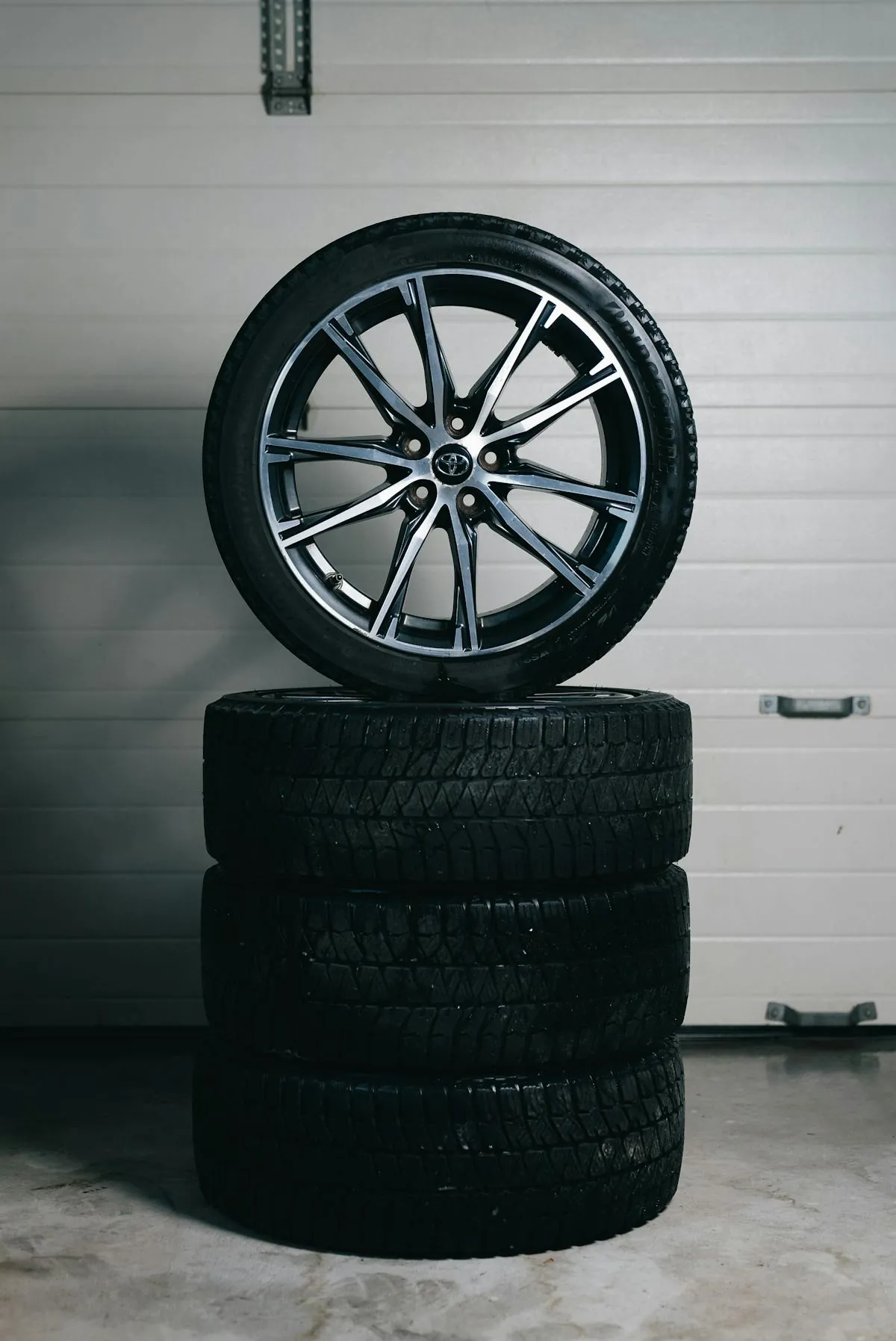
Budget tyres lower the up-front cost; premium tyres usually deliver shorter wet braking, lower noise and longer life. Neither is automatically "right", it depends on your car, your mileage and how you drive. For many drivers a quality mid-range tyre is the sweet spot between price and performance, and the worst choice is almost always the cheapest unbranded option. This guide gives you a clear framework, including a cost-per-mile worked example, so you can decide with the numbers rather than guesswork.
The short answer
If you do high mileage, lots of motorway driving, or simply want the shortest possible stopping distance in the wet, premium tyres are worth the extra. If you do low mileage in an older or lower-value car, a reputable budget or mid-range tyre is a sensible call. For most everyday drivers in between, a well-reviewed mid-range tyre is the best balance of safety, longevity and cost. The rest of this guide shows why.
Where premium tyres win
The clearest premium advantage shows up exactly where it matters most: stopping in the wet. Independent tyre tests from bodies like Which? and the German auto club ADAC repeatedly find the biggest gap between premium and budget tyres is wet braking distance, which is a pure safety issue, not a luxury.
- Wet braking. A premium tyre can stop several car lengths shorter in the wet than a poor budget one from the same speed.
- Longevity. Better compounds often last longer, which narrows the real cost-per-mile gap over the tyre's life.
- Refinement. Lower road noise and more composed grip at motorway speed.
- Aquaplaning resistance. Better tread designs clear standing water at higher speeds, a real factor on UK motorways.
- Consistency. Performance holds up better as the tyre wears, not just when new.
Where budget tyres make sense
Budget tyres aren't a trap; for the right car they're a sensible call. The trade-off makes most sense when mileage is low or the car's value is modest.
- Low-mileage cars, or short, slow urban journeys where top wet grip is less critical.
- Older or lower-value cars where premium cost-per-mile is hard to justify.
- When you need to stay legal now and plan to change the car soon.
Even then, choose a reputable budget brand with decent label grades rather than the cheapest tyre on the rack, where quality and consistency can be a real gamble.
The mid-range sweet spot
For a huge number of everyday drivers, the smartest buy isn't premium or budget but a strong mid-range tyre. Brands in this tier aim to deliver most of the wet-weather safety of a premium tyre at a noticeably lower price, and the best of them score very well in independent tests. If you do average mileage in a normal family car, a well-reviewed mid-range tyre usually gives you the best balance of safety, longevity and cost. See our guide to choosing a tyre brand for the names to look at in each tier.
Cost per mile: a worked example
Sticker price is misleading because tyres don't all last the same distance. The fair comparison is cost per mile: the fitted price divided by the miles you get. Here's how that can flip the obvious answer:
| Budget tyre | Premium tyre | |
|---|---|---|
| Fitted price (example) | Lower | Higher |
| Typical life | Shorter | Often longer |
| Wet braking | Weaker | Stronger |
| Cost per mile | Can be similar or worse | Often competitive |
The point isn't that premium always wins on cost per mile, it's that the gap is far smaller than the sticker prices suggest, and once you add the safety difference, spending a little more often makes sense, particularly for high-mileage drivers. For low-mileage drivers who'll change the car before the tread runs out, the budget or mid-range saving is real. Do the rough maths for your own annual mileage rather than judging on the price tag. Our new tyre cost guide covers the full picture.
The wet braking difference
This is the part that turns a price question into a safety one. In independent wet-braking tests, the distance between the best premium tyres and the weakest budget tyres from a typical emergency-stop speed can run to several car lengths. That gap is the difference between stopping behind the car in front and not. It's also why wet grip is the label rating worth prioritising, and why wet-weather performance should weigh heavily for anyone driving through British winters. Tyres are the only contact your car has with the road, so this is the one area where saving a little can cost a lot.
Don't judge on price alone
Price tells you almost nothing about safety. Check the EU tyre label for wet grip and fuel-efficiency grades, then read independent reviews for the wet-braking and aquaplaning results the label doesn't fully capture. A well-rated budget tyre can beat a poor mid-range one, and a strong mid-range tyre can match a premium one for your specific car. One thing to avoid completely: part-worn tyres as a "cheap" route. The hidden age, damage and unknown history rarely justify the saving, and TyreSafe has found a large share of part-worns sold in the UK are unsafe.
Which should you buy?
| Your situation | Best choice |
|---|---|
| High mileage, lots of motorway/wet driving | Premium |
| Average mileage, family car | Quality mid-range |
| Performance car | Premium, correct speed rating |
| Low-mileage city car | Good mid-range or reputable budget |
| Older car, changing soon | Reputable budget |
Noise, comfort and refinement
Wet braking gets the headlines, but day to day, refinement is where many drivers notice the premium difference. Better tyres tend to run quieter, soak up road imperfections more smoothly and feel more settled at motorway speed. The EU tyre label shows external noise in decibels, but cabin comfort depends on the whole design. If you do a lot of long-distance or motorway miles, that quietness and composure can matter as much as the numbers, and it's a real, if less measurable, part of what you pay for with a premium or good mid-range tyre. On an EV, where there's no engine noise to mask the road, a quiet tyre makes an even bigger difference.
We fit both, honestly
We carry budget, mid-range and premium options, and we'll help you pick the right tyre for your car, mileage and budget rather than upselling you. Then we fit it at your home or work across the UK. See mobile fitting or book now.