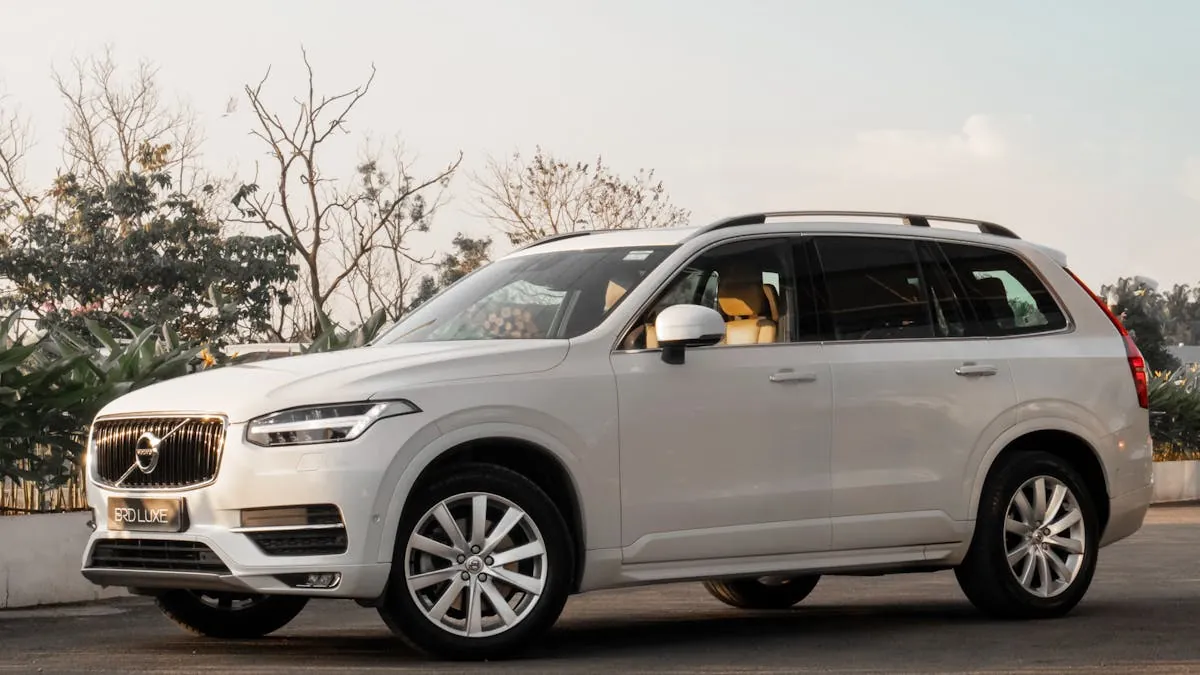
Most UK SUVs and 4x4s are best on road (sometimes called highway or H/T) tyres with the correct load rating, not the chunky all-terrain tyres that look the part. Unless you genuinely drive off-road, road tyres give you shorter wet braking, lower noise, longer life and better economy. The priorities are matching the load rating your car needs and choosing strong wet grip, because an SUV is heavy and asks a lot of its tyres.
Do SUVs need special tyres?
Not "special", but the right specification. SUVs are taller and heavier than an ordinary car, so they need tyres rated to carry that weight, which usually means a higher load index and often a reinforced (XL) construction. Fitting an under-rated tyre is unsafe and can fail the MOT. Beyond that, an SUV tyre is just a normal road tyre built for a heavier, taller vehicle, tuned for stability and braking rather than mud-plugging.
Road vs all-terrain tyres
This is the choice most SUV owners get wrong. The aggressive, blocky all-terrain look is tempting, but on tarmac it costs you. Here's the honest comparison:
- Road (H/T) tyres: best for the tarmac where almost all SUV miles are driven: shorter wet braking, quieter, longer-lasting, more economical.
- All-terrain (A/T) tyres: worth it only if you regularly drive on mud, gravel, fields or green lanes. They're noisier, wear faster and stop longer on a wet road.
See our full all-terrain vs road tyres guide if you're weighing the two.
The ratings that matter
Whatever you choose, the same priorities apply. Match or exceed the load and speed ratings on your door placard, then read the EU tyre label, putting wet grip first because a heavy SUV needs all the stopping power it can get. Independent tests from bodies like Which? are the best guide to which tyres actually perform for your size, and a strong mid-range or premium SUV tyre is usually the best value.
How weight affects your tyres
An SUV's extra mass means more load on every tyre, more heat, and faster wear, especially if pressures slip. That makes correct pressures and the higher "laden" figure for a full car even more important, and it's why SUV tyres often cost more than a hatchback's. Keeping on top of pressures and rotation is the cheapest way to make them last longer.
Reading the SUV placard
Everything you need to buy the right tyre is on the sticker in the driver's door shut or fuel flap, and on an SUV it is worth reading more carefully than usual.
The sticker gives the tyre size, the load index and speed rating, and two sets of pressures: one for normal driving and a higher one for a fully loaded car.
What to check, in order:
- Size. Many SUVs are offered with more than one wheel size, so match the size on your car, not the one in the brochure.
- Load index. A two- or three-digit number after the size. Never fit a tyre with a lower figure. Many SUVs specify an XL or "reinforced" tyre, which carries more weight at a higher pressure.
- Speed rating. The letter after the load index. Fit the same or higher.
- Pressures. Note both figures, and use the laden one when the car is full or towing.
Some 4x4s from Land Rover, Toyota and others come on tyres with a "C" or light-commercial rating rather than a passenger XL, and some German SUVs specify manufacturer-approved fitments marked with a code on the sidewall. Neither is compulsory in law, but they exist because the car was tuned on them, so it is sensible to stay close.
Our guide to reading a tyre size decodes the whole sidewall.
Towing and full loads
An SUV is the car most likely to be towing a caravan or trailer or carrying seven people and a roof box, and a full load is where the tyre margins get thin. The rule is simple: set the pressures to the laden figure on the placard before you load up, and check them cold.
Towing adds a second load you can easily miss. The caravan's noseweight presses down on the towbar and therefore on the rear tyres, so the rears may be closer to their rated maximum than the car's own weight suggests.
That is why the laden pressure matters most on the rear axle when towing, and why a tyre already down on tread or pressure is the one to sort out before a holiday rather than after it. The trailer's own tyres are often older and more neglected than the car's, so check them as well.
Two other things worth knowing:
- Heat is the enemy. A loaded tyre flexes more and runs hotter, and a soft loaded tyre on a hot motorway is how blowouts happen.
- The spare counts. A space saver on a heavy SUV is at its limit, and it is often flat from years in the boot. Check it before you need it.
All-season tyres for SUVs
For a great many UK SUV owners, an all-season tyre is the most sensible compromise available, and it deserves more consideration than the all-terrain look-alike. A modern all-season tyre carries the three-peak mountain snowflake symbol, which means it has passed a snow traction test, yet it behaves like a normal road tyre for the rest of the year.
Where it fits:
- Rural or hilly areas where a few days of snow or ice each winter would otherwise strand the car, but a separate set of winter tyres feels like overkill.
- School runs, towing and early starts where you need the car to go regardless of the forecast.
- Drivers who never want to swap tyres seasonally or store a second set.
The trade-off is small but real: in warm, dry conditions a good summer tyre still stops a little shorter and wears a little slower. In wet, cold British winters the all-season tyre is often the safer of the two. Our guide to whether all-season tyres are worth it goes into this in more detail.
If you travel to the Alps with the car, note that some countries require winter-rated tyres in season, so check the destination country's own guidance before you travel.
Why SUVs wear the shoulders, and what to do about it
SUV tyres tend to wear the outer shoulder faster than a hatchback's do, and the reasons are built into the vehicle. A tall, heavy body rolls more in corners, so more of the cornering load goes through the outside edge of the tyre.
Add wide tyres, a high centre of gravity and a lot of roundabouts, and the shoulder takes a beating.
You cannot change the physics, but you can manage it:
- Keep pressures at the placard figure. Under-inflation makes shoulder wear far worse because the tread edges carry the load.
- Rotate the tyres front to rear at regular intervals so the wear is shared across all four.
- Check alignment after any kerb or pothole strike. An SUV's weight means a hard impact is more likely to knock the geometry out, and even a small toe error scrubs a shoulder off quickly.
- Drive roundabouts and slip roads a touch slower. Cornering force rises sharply with speed, and it is the outside front tyre that pays.
When one shoulder is worn to the wear bars while the centre still has plenty of tread, the tyre is finished: the legal 1.6mm applies across the central three-quarters, and an edge worn smooth is also a wet-grip problem. Fix the cause first, then fit new tyres, or the replacements go the same way.
We fit SUV tyres at your door
We supply SUV and 4x4 tyres across all three tiers and fit them at your home or work from our base at Brent Cross, NW2. If you are further out, call and we will tell you whether we can take the job. Send your registration and we will confirm the correct load rating and size.
