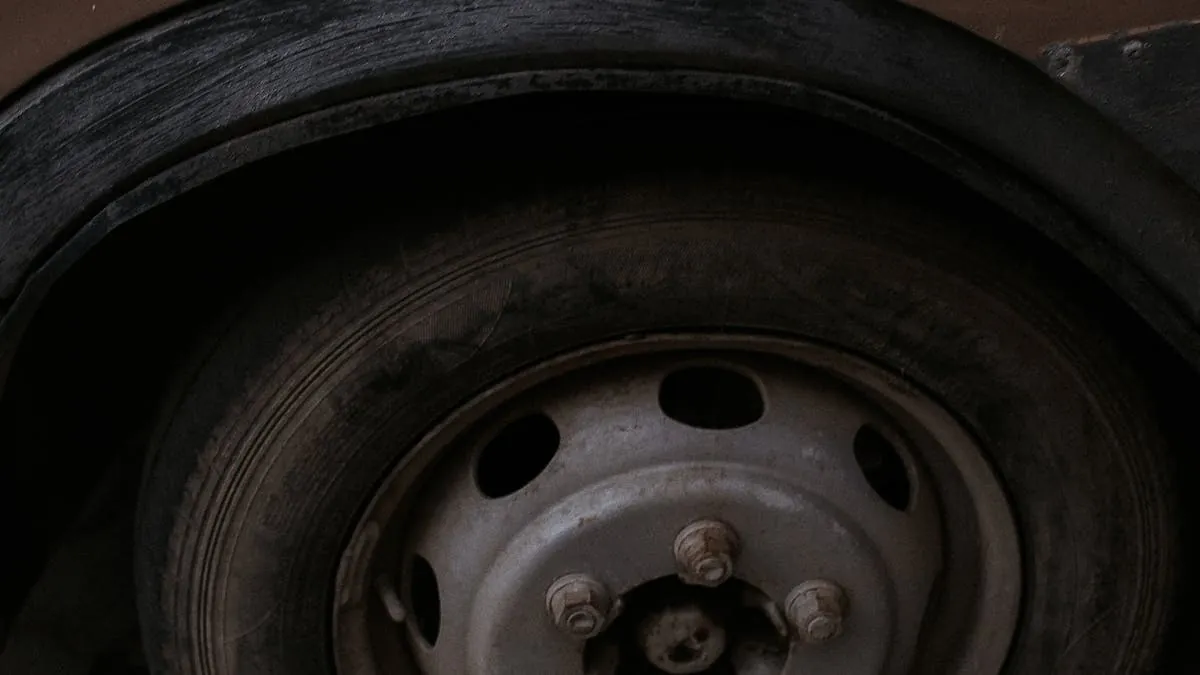
You can't avoid every puncture, but a few habits cut the odds significantly. Correct pressure and tread, avoiding obvious hazards, and catching slow leaks early prevent most of the punctures that strand people. None of it is complicated, and it all helps your tyres last longer too.
Can you really prevent punctures?
Some punctures are pure bad luck, a nail in the road you couldn't have seen. But many are avoidable or made worse by tyre condition. An under-inflated or worn tyre is more vulnerable, and a slow leak ignored for weeks often ends as a roadside flat. So while you can't prevent everything, you can stack the odds in your favour.
Keep pressure and tread right
Correct pressure matters more than people think: a soft tyre flexes, runs hot and is easier to damage, while good tread resists penetration better than a worn one. Check pressures monthly and keep an eye on tread with the 20p test; the legal minimum is 1.6mm across the central three quarters, see UK tread depth law. Pressure and tread are two of the three checks in TyreSafe's ACT check, and together they underpin both puncture resistance and overall tyre life.
Avoid the hazards
A lot of punctures come from avoidable hazards. Give debris, broken glass and the edges of potholes a wide berth where it's safe, don't kerb the tyres when parking, and be wary near roadworks and skips where nails and screws gather. You can't dodge everything, but staying off the worst of it helps.
Catch problems early
The single best habit is catching a slow leak before it becomes a flat. If a tyre keeps needing air, don't just keep topping it up, it's telling you something, see slow puncture. A quick monthly look for embedded nails, screws and damage, like a nail in the tread, lets you deal with it on your terms rather than at the roadside.
If you do get one
Most punctures in the tread are repairable if you don't drive on them flat. We come to you to repair or replace across the UK. Book a check.