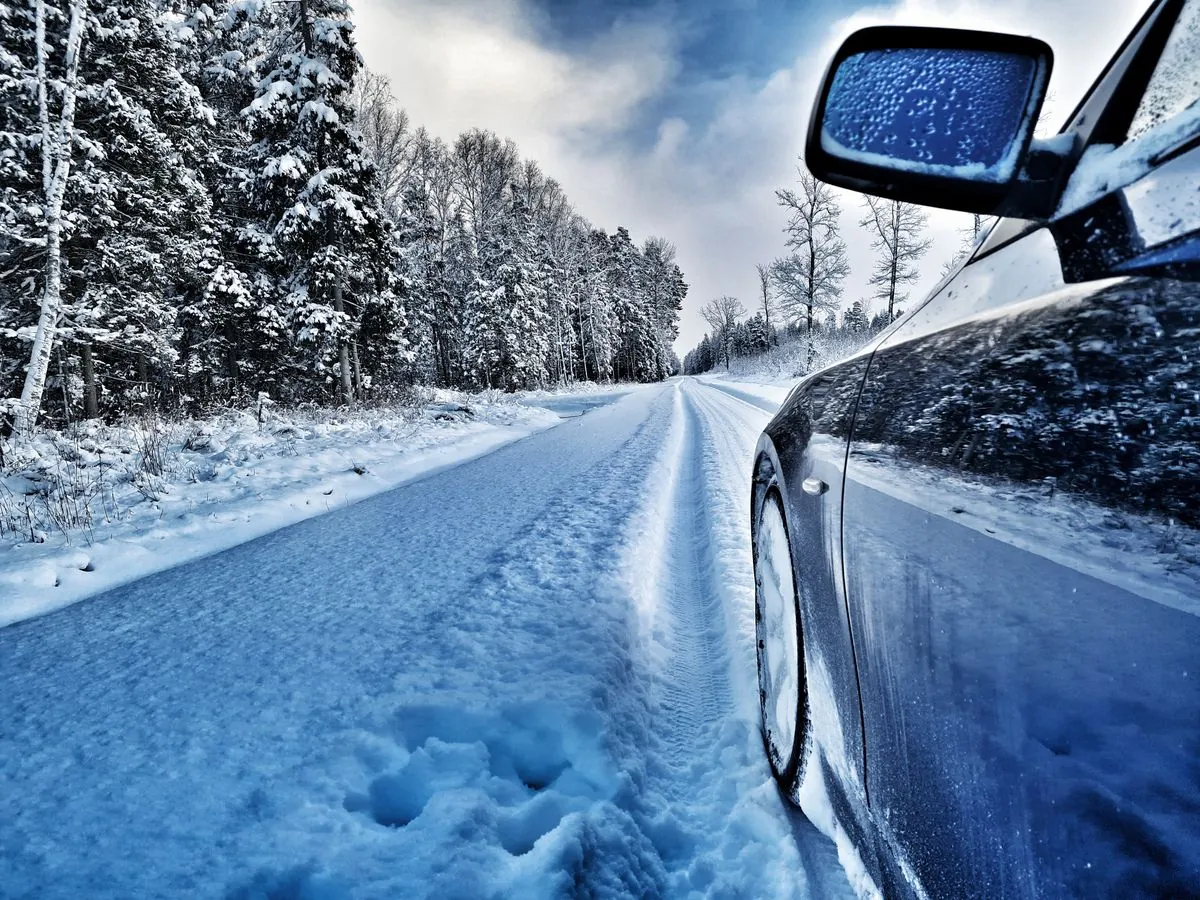
Winter is when tyre weaknesses turn into incidents. Cold, wet, dark roads stretch braking distances and expose worn or under-inflated tyres. A few checks before the cold sets in keep you safe and help you avoid a roadside emergency on the worst possible night. Here's the checklist we'd run on our own cars.
1. Check your tread, generously
The legal limit is 1.6mm, but for winter you want more, because grip and water clearance fall steadily as tread wears. TyreSafe and most manufacturers suggest around 3mm as a practical winter minimum. If you're near it, replace before winter rather than during it, when the roads are at their most demanding and a low tyre matters most.
2. Set your cold pressures
Pressure drops in the cold, roughly 1 to 2 PSI for every 5°C fall in temperature. Check and set them to the recommended figure on a cold morning, then recheck as the season goes on and temperatures swing. Don't be tempted to over-inflate to "keep ahead" of the drop, as that reduces grip on cold, slippery roads.
3. Inspect for damage and age
Look for cracks, bulges and embedded objects all the way round each tyre, and check the DOT date. Cold weather is especially hard on perished or ageing rubber, which loses flexibility just when you need grip most. A tyre that's been fine all summer can struggle once the temperature drops if it's already old or damaged.
4. Winter, all-season or stay put
If you face real cold and snow, or live somewhere hilly, consider dedicated winter tyres. For milder areas, all-season tyres are a fuss-free compromise that saves the seasonal swap while still beating summer tyres in the cold. If your current summer tyres have plenty of tread and you rarely see ice, staying put with a careful winter check may be fine, the right call depends on where and how you drive.
5. Pack a winter kit
Even with perfect tyres, it's worth being ready for the worst. Keep these in the car through winter:
- A working spare or repair kit and a torch.
- A phone charger and our number saved for callouts.
- Warm layers and a blanket in case you have to wait at the roadside.
- A scraper and de-icer so you can clear the car properly before setting off.
Get winter-ready at your door
We'll check your tyres and fit winter or all-season sets at your home or work across the UK, so you're ready before the first cold snap rather than scrambling after it. Book a winter check.