
✓
A softer compound
The tread of a winter tyre contains more natural rubber and silica, so it stays flexible in the cold instead of going hard. A flexible tread keeps better contact with a frosty road.
Softer rubber and a siped tread for grip below 7°C, sourced to your size and fitted at home, work or a safe roadside spot. Price confirmed on the call, pay once done.
Winter tyres use a softer tread compound and a tread cut with many fine slits, called sipes, so they keep their grip on cold, wet and icy roads when an ordinary tyre starts to harden. Rescue Tyres sources winter tyres to your car's size and fits them at your home, your work or a safe roadside spot across Greater London, the Home Counties and Birmingham and the West Midlands.
They suit drivers who cannot simply leave the car at home when the weather turns: early starts, rural lanes, hilly roads, school runs, carers and anyone who drives at night between October and March. If your winter driving is mostly mild town miles, an all-season tyre may make more sense, and we will say so.
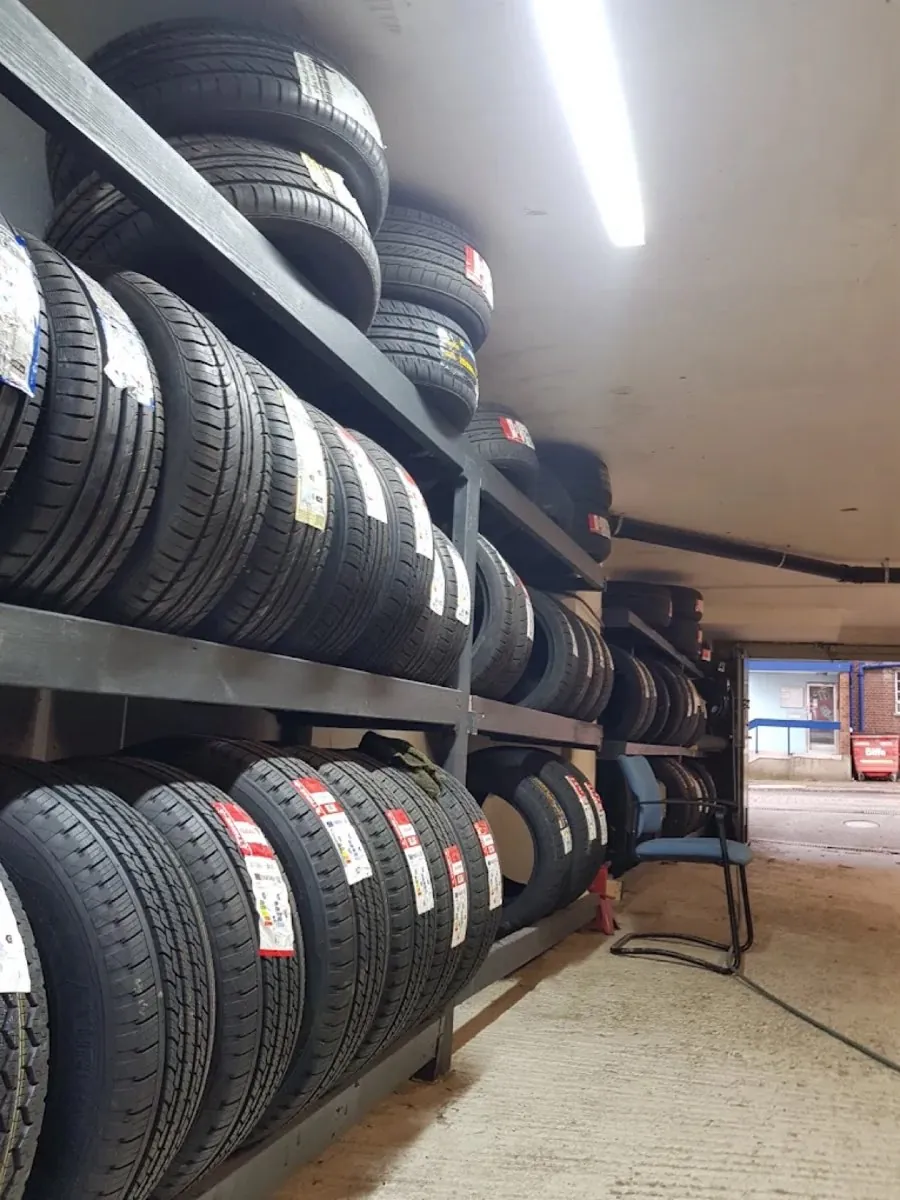
TyreSafe, the UK tyre safety charity, explains that when the temperature drops below 7°C the tread compound in normal tyres begins to harden and gives less grip. Winter tyres are built for exactly those conditions.
The tread of a winter tyre contains more natural rubber and silica, so it stays flexible in the cold instead of going hard. A flexible tread keeps better contact with a frosty road.
Winter tyres have deeper grooves and many narrow cuts across the tread blocks. The grooves help clear water and slush, and the edges of the sipes bite into snow.
TyreSafe describes winter tyres as the safest option from October through to March, when temperatures rarely rise above 7°C. They are often called snow tyres, but most of their benefit on UK roads comes on cold, wet tarmac.
If you are still weighing it up, our guides on whether winter tyres are worth it in the UK and summer vs winter tyres go into the decision in more depth.
Two symbols appear on the sidewall of tyres sold for cold weather, and they do not mean the same thing.
A mountain outline with three peaks and a snowflake inside it. The symbol means the tyre has passed a standardised snow traction test against a reference tyre. Michelin describes it as a regulated test that guarantees a certain level of performance in wintry conditions. This is the marking to look for on a true winter tyre, and some all-season tyres carry it too.
The letters describe the tread pattern and structure. Continental notes that the performance of M+S marked tyres is neither defined nor measured, and Michelin describes the marking as the manufacturer's own claim with no performance test behind it. On its own it tells you little about cold-weather grip.
When you send us your size, say if you want a 3PMSF marked tyre and we will only quote tyres that carry it. Our guide to the three peak snowflake symbol shows what it looks like on the sidewall.
Most drivers who use winter tyres fit them in October or November, as daily temperatures start to sit below 7°C, and change back in March or April once temperatures stay above it. Treat that as a guide rather than a date. It is worth arranging the fitting before the first hard frost rather than on the morning of it. Our guide to preparing your tyres for winter has a checklist for the changeover.
While you are thinking about tyres, check the tread and the pressures. The legal minimum tread depth for a car is 1.6mm across the central three-quarters of the tread and around the whole circumference, and TyreSafe advises keeping well above that in winter. Pressures are worth checking more often once the weather turns cold; our guide to tyre pressure in cold weather explains why. When your summer tyres come off, our seasonal tyre storage guide covers keeping them in good condition until spring.
All-season tyres, also sold as all-weather tyres, are the alternative for many UK drivers. The RAC describes them as a compromise between winter and summer performance. You fit one set and leave it on all year, so there is no seasonal change, and some carry the 3PMSF marking. The trade-off is that they are not as sharp as a summer tyre on a hot day, nor as capable as a dedicated winter tyre in heavy snow. If you rarely see snow and mostly drive in towns, have a look at our all-season tyres page. If your winters mean cold rural roads, hills or regular trips in snow, dedicated winter tyres remain the stronger choice.
The rules change once you leave the UK. Several European countries require winter tyres or snow chains on certain dates or in certain conditions, and the rules on which markings count differ from country to country. Check the current rules for every country on your route before you set off. Tell us where you are going when you call and we will source tyres with the marking you have been told you need. For the drive itself, our guide to driving in snow and ice is worth a read.
The van carries tyre fitting and wheel balancing equipment, so the whole job is done beside your car.
The size is on the tyre sidewall, for example 205/55 R16 91V. Send it with your registration and where the car will be, or send a clear photo of the sidewall on WhatsApp.
We come back with winter tyre options by tier, budget, mid-range and premium, and confirm the full price on the call before any work. The enquiry is free.
The fitter comes to the car, fits and balances the new tyres and takes away any old tyres you no longer want. Summer tyres with life left in them are yours to keep for spring.
The wheels are refitted and torqued, pressures are set to the car maker's figure, and you pay once the job is done. New tyres carry the manufacturer's warranty.
Budget, mid-range and premium car tyres sourced to your size and fitted where you park.
View tyres →How the main brands compare by tier, and what really differs between them.
View brands →One set all year, with no seasonal change, for drivers in milder conditions.
View tyres →New tyres at a lower price point, chosen with the EU tyre label in mind.
View tyres →Road, all-terrain and SUV tyres with the load rating heavier vehicles need.
View tyres →Load-rated van tyres fitted at your yard, site or home to keep the van working.
View tyres →High speed rated and low profile tyres, fitted with care on larger alloys.
View tyres →Tyres for electric cars, matched to the load, speed rating and range you need.
View tyres →The correct run-flat for your car, fitted where you stopped safely.
View tyres →One base in Brent Cross, with mobile fitting across Greater London, the Home Counties and Birmingham and the West Midlands.
Rated 5.0 on Google from 151 reviews.
"Good and reliable service in all conditions."
"Had two tyres replaced and was really impressed. Friendly and efficient, job completed quickly. Highly recommend!"
"Good communication, excellent work and takes the initiative. Happy to go the extra mile, highly recommended if you're in a tyre-related bit of bother!"
Sources: the 7°C guidance and October to March advice come from TyreSafe; tread depth law from GOV.UK; marking definitions and four-tyre advice from Michelin and Continental; the insurance note from the RAC. Updated 15 September 2026.
Send us the size from your sidewall and where the car is parked. We confirm the options, the price and a realistic arrival time on the call.